

Best IGF-1 LR3 Suppliers in 2026: Reputable Research Peptide Vendors, Legal Status, and FDA Safety Warnings Compared
Written by Tim J
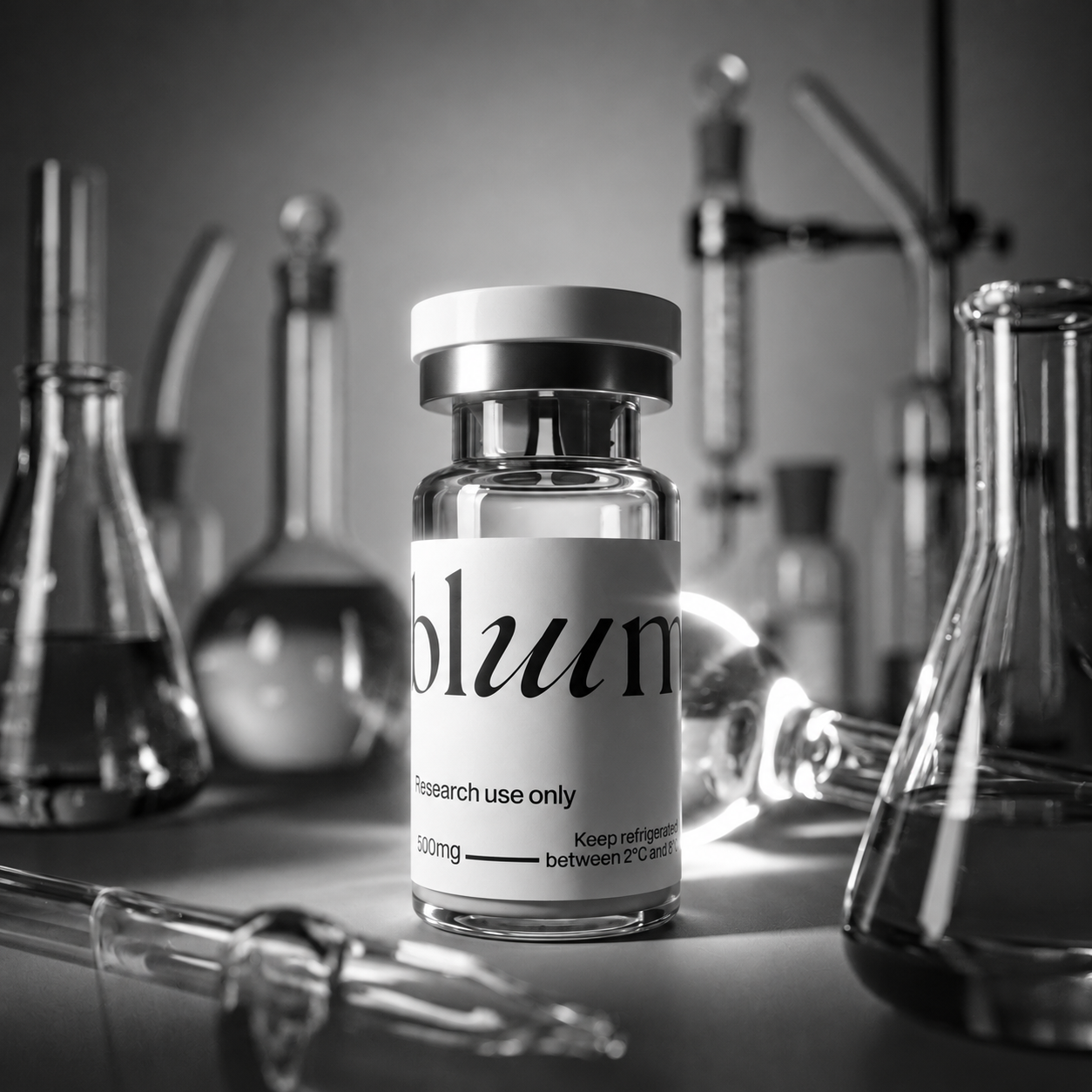
Finding the best IGF-1 LR3 suppliers is not as simple as finding a website that says “99% pure.” Two products sold under the same name can have different purity levels, testing standards, and even differences in actual identity.
This is why IGF-1 LR3 supplier reputation research should start with documents, not marketing claims. You need to know what was tested, which batch was tested, who performed the test, and whether the results can be checked.
In this guide, we will look at:
what IGF-1 LR3 is;
what receptor grade actually means;
what a good COA should contain;
how to compare research suppliers fairly.
For research and laboratory use only. Not for human or animal consumption.
What Is IGF-1 LR3?
If you are searching IGF-1 LR3 what is it, the easiest place to start is its chemical structure.
Long R3 Insulin-like Growth Factor-1 is a recombinant analogue of IGF-1. It contains 83 amino acids. Compared with native IGF-1, it has an arginine substitution at position 3 and an extra 13-amino-acid sequence at the N-terminus.
The IGF-1 LR3 peptide has a molecular weight of around 9.1 kDa. Different technical sources may report slightly different exact values depending on how the sequence is represented. That is why you should always compare the specifications with the documents supplied for the exact product and batch.
These structural differences also explain why identity testing matters.
HPLC can show a sample's purity. In simple terms, it helps show how much of the tested material belongs to the main detected component. However, a high HPLC result does not automatically prove that the component is really IGF-1 LR3.
Mass spectrometry can provide another level of evidence by checking molecular mass. You get a clearer picture of purity and identity when you use both methods.
Receptor Grade vs Standard Research Grade
“Receptor grade” is an important term, but it is also easy to misunderstand, so let’s break it down.
What Does Receptor Grade IGF-1 LR3 Mean?
A receptor grade IGF-1 LR3 for sale product should not be called receptor grade simply because its HPLC purity is high.
For recombinant proteins, structure matters as well as purity. The protein needs to have the correct form for the laboratory work it is intended for.
For example, a sample could show 98% purity by HPLC but still have structural problems. This means you should look at three separate questions:
How pure is the sample? HPLC can help answer this.
Is the material really IGF-1 LR3? Mass spectrometry can help confirm identity.
Does it meet the requirements behind the receptor-grade claim? This needs additional supporting documentation.
Mass spectrometry, structural information, correct-fold verification, and other suitable laboratory tests may support a serious receptor-grade claim.
This is important for laboratories looking to buy receptor-grade IGF-1 LR3 through a research procurement process.
Verify that the supplier provides batch-specific testing, identity confirmation, and evidence supporting the receptor-grade claim before deciding to buy receptor grade IGF-1 LR3 .
Regulatory Status: What a Compliant IGF-1 LR3 Supplier Should State
Supplier compliance is another important part of the research process. The focus is on whether the supplier correctly presents and sells the product as a research chemical.
IGF-1 LR3 Legal Status FDA Research Chemical Supplier Safety
When checking IGF-1 LR3 legal status FDA research chemical supplier safety, researchers should look at the supplier's complete website.
The best IGF-1 LR3 suppliers should clearly state that their products are for research use only (RUO). However, simply adding “Research Use Only” to a page is not enough if the rest of the website sends a different message.
FDA enforcement has shown that regulators can consider the full context of a website. This includes product descriptions, marketing language, customer support information, and other content.
A compliant supplier should therefore keep its message consistent.
It should clearly explain that its materials are intended for laboratory research. It may also use controls such as professional verification, research-field declarations, account requirements, and shipping restrictions.
IGF-1 LR3 Supplier Legality Safety FDA Research Chemical Requirements
When researching IGF-1 LR3 supplier legality safety FDA research chemical practices, consistency is one of the easiest things to check.
A supplier should not describe a compound as research-only on one page and then use non-research-use language somewhere else.
The same rules should apply to:
product descriptions;
educational content;
customer support;
checkout;
shipping policies.
This gives a better idea of whether the company is actually operating as a research supplier.
IGF-1 LR3 Legal Status Supplier Safety Peptide FDA Research Chemical Warning
The way customer support communicates is also important when looking at IGF-1 LR3 legal status supplier safety peptide FDA research chemical warning information.
Support teams can answer questions about COAs, lot numbers, shipping, storage documentation, and laboratory testing. However, a research supplier should not move into personal-use instructions.
This separation shows that the company's research-only policy is more than a disclaimer at the bottom of a page.
Risk Signals in an IGF-1 LR3 Listing
There are several IGF-1 LR3 legal status research chemical supplier risks FDA warning signals that researchers can identify when checking a supplier.
Most common warning signs are:
non-research-use instructions;
non-research category labels;
personal outcome testimonials;
personal-use instructions;
customer support that answers usage questions;
research disclaimers that conflict with other website content.
The problem is not the chemical name itself but how the supplier presents the material.
This is why IGF-1 LR3 legal status supplier research chemical safety FDA warning research should look beyond one product page.
Poor compliance can also become a practical problem for laboratories. If a supplier faces regulatory action, product availability, shipping, documentation, or long-term supply could be affected.
The COA Standard for IGF-1 LR3
A Certificate of Analysis (COA) is one of the most useful documents when comparing the best IGF-1 LR3 suppliers.
A reliable supplier should provide a batch-specific COA from an accredited third-party laboratory. Look for at least 98% purity, preferably verified by HPLC. The COA should be current and clearly tied to the specific batch being supplied.
A useful COA should contain:
compound name;
batch or lot number;
testing date;
purity percentage;
testing method;
compound identity;
name of the testing laboratory.
These points are important when checking an IGF-1 LR3 research peptide suppliers quality disclaimer.
A “Research Use Only” statement does not prove quality. It only tells researchers how the supplier says the product should be used. The COA provides information about the actual tested material.
Pay particular attention to mass spectrometry identity confirmation. HPLC can provide purity data, while mass spectrometry can help confirm whether the material matches the expected molecular identity.
Red Flags on a COA
A COA deserves more attention if:
it has no batch or lot number;
its batch number does not match the product;
there is no testing date;
it only says “99% pure” without supporting data;
no testing method;
no laboratory name;
the laboratory cannot be verified;
no identity test;
the same COA appears for several batches;
receptor grade is claimed without supporting evidence.
A COA can look professional and still provide very little useful information. What matters is whether the document can be connected to the exact batch being supplied.
How to Check an IGF-1 LR3 Supplier's Reputation
Good IGF-1 LR3 suppliers reputation research peptide should focus on facts that researchers can check.
Start with the supplier's COA history. Does the company publish a new report for each batch? Can older reports still be accessed?
Historical reports help show whether testing is a regular process or something the company did only once.
Next, check the laboratory.
If a supplier says its products are “third-party tested,” it should be clear who that third party is. If the company says the laboratory is accredited, researchers should be able to verify that information.
Manufacturing transparency is another useful point. A company does not need to publish confidential production information, but it should clearly explain what it can document about the origin and manufacturing of its material.
Researchers can also check:
refund policies;
shipping terms;
storage information;
access to current COAs;
consistency across the company's website.
IGF-1 LR3 reviews may tell you whether customers received their orders or had support issues. However, reviews cannot prove chemical quality. Outcome-based reviews should not replace laboratory documents.
How IGF-1 LR3 Suppliers Compare in 2026
When researchers find IGF-1 LR3 for sale, the next step is to compare every supplier using the same standards.
We provide no position in the table that is paid or sponsored.
Supplier Comparison
Bluum Peptides
Third-party testing: Independent testing stated
Batch-specific COA: Lot lookup available
Stated purity: Batch-specific
Receptor grade substantiated: Check current supporting documents
Storage & shipping: Policies published
Notes: Current and archived COA system
Lyze Labs
Third-party testing: Testing laboratory named
Batch-specific COA: Yes
Stated purity: Batch-specific
Receptor grade substantiated: Not proven by HPLC alone
Storage & shipping: Information published
Notes: HPLC and MS data available
Evo Labs Research
Third-party testing: Third-party labs named
Batch-specific COA: Yes
Stated purity: 99%+ stated
Receptor grade substantiated: Additional evidence needed
Storage & shipping: Information published
Notes: HPLC and MS listed
Panda Peptides
Third-party testing: Independent reports published
Batch-specific COA: Yes
Stated purity: Batch-specific
Receptor grade substantiated: Additional evidence needed
Storage & shipping: Check current documents
Notes: Historical reports available
Eppix Labs
Third-party testing: Testing laboratory named
Batch-specific COA: Yes
Stated purity: Batch-specific
Receptor grade substantiated: Additional evidence needed
Storage & shipping: Product information available
Notes: Lot and test date shown
Luvaminos
Third-party testing: Testing laboratory named
Batch-specific COA: Yes
Stated purity: Batch-specific
Receptor grade substantiated: Additional evidence needed
Storage & shipping: Product information available
Notes: Laboratory report available
The table shows why researchers should not compare suppliers using purity alone.
A product can have a high HPLC result without providing enough information to support a receptor-grade claim. Identity testing, lot traceability, structural documentation, and supplier practices all add context to the purity number.
This means the best place to buy IGF-1 LR3 for qualified laboratory research is not automatically the supplier advertising the highest percentage.
The better supplier is the one that can clearly document its claims.
Storage, Handling, and Shipping Documentation
If you ask where to buy IGF-1 LR3, you should also check what each supplier publishes about storage and shipping.
The product page or technical documentation should state the material's physical form, such as lyophilized powder.
It should also provide clear storage conditions. Depending on the product specification, this may include temperature requirements and protection from heat, moisture, or light.
A supplier should also explain:
how the material is packaged;
which locations it ships to;
whether shipping restrictions apply;
how orders are tracked;
whether a signature is required;
what happens if a package is damaged.
The same applies when comparing IGF-1 LR3 price. A lower price does not tell researchers whether the compound was correctly identified, properly tested, stored under suitable conditions, or connected to a real batch-specific COA.
FAQ
What should an IGF-1 LR3 COA contain?
A good IGF-1 LR3 COA should show the compound name, batch or lot number, testing date, purity result, analytical method, identity information, and testing laboratory. The best IGF-1 LR3 suppliers should make it easy to connect the report with the exact batch currently being supplied.
What does receptor grade mean?
Receptor grade should mean that a recombinant protein has supporting documentation relevant to its structural integrity for receptor-based laboratory assays. HPLC purity alone is not enough. You should look for identity testing and appropriate structural or functional evidence before accepting a receptor-grade claim as a verified specification.
How is IGF-1 LR3 classified for regulatory purposes?
When checking IGF-1 LR3 legal status FDA research chemical supplier safety, the focus should be on supplier practices. A compliant vendor should consistently present the material for research use only. Product descriptions, policies, customer support, checkout, and other website content should support the same laboratory-research purpose.
What makes an IGF-1 LR3 supplier non-compliant?
Warning signs include non-research-use marketing, non-research-use instructions, outcome claims, or other content that conflicts with an RUO disclaimer. Researchers should therefore check more than the product page. A supplier's educational content, customer support, checkout process, and other public information should follow the same research-only approach.
How often should an IGF-1 LR3 COA be refreshed?
The standard is a batch-specific COA that matches the current lot. A new but generic COA provides less useful information than a traceable report connected to the exact material being supplied.
Can reviews prove that an IGF-1 LR3 supplier is reliable?
No. IGF-1 LR3 supplier reputation research peptides should focus on COAs, testing laboratories, historical batch records, manufacturing transparency, storage documentation, and research-only policies. Reviews may describe shipping or customer service, but they cannot prove molecular identity, purity, correct folding, or consistency between different research batches.
Summary: How to Choose an IGF-1 LR3 Supplier for Research
The best IGF-1 LR3 suppliers should be compared using evidence. You can choose where to buy IGF-1 LR3 by checking these six points:
Check the lot number. The COA should match the batch currently being supplied.
Check the purity test. Look for HPLC data rather than only a purity claim.
Check identity. Look for mass spectrometry or another suitable identity test.
Check receptor-grade evidence. A high purity number alone is not enough.
Check supplier compliance. Research-only language should be consistent across the website.
Check storage and shipping documents. Important conditions should be clearly available before procurement.
You can also review Bluum’s IGF-1 LR3 product page for product specifications and current batch information, or check the published COAs to review available third-party testing and lot-specific documentation.
For research and laboratory use only. Not for human or animal consumption.

_2026-06-24_19-56-41-01M317J0TYVV9FA05A3SF0MCCS.png)