

Best BPC-157 and TB-500 Blend Suppliers in 2026: Third-Party Tested Peptide Blends, COAs, and FDA Legal Status
Written by Tim J
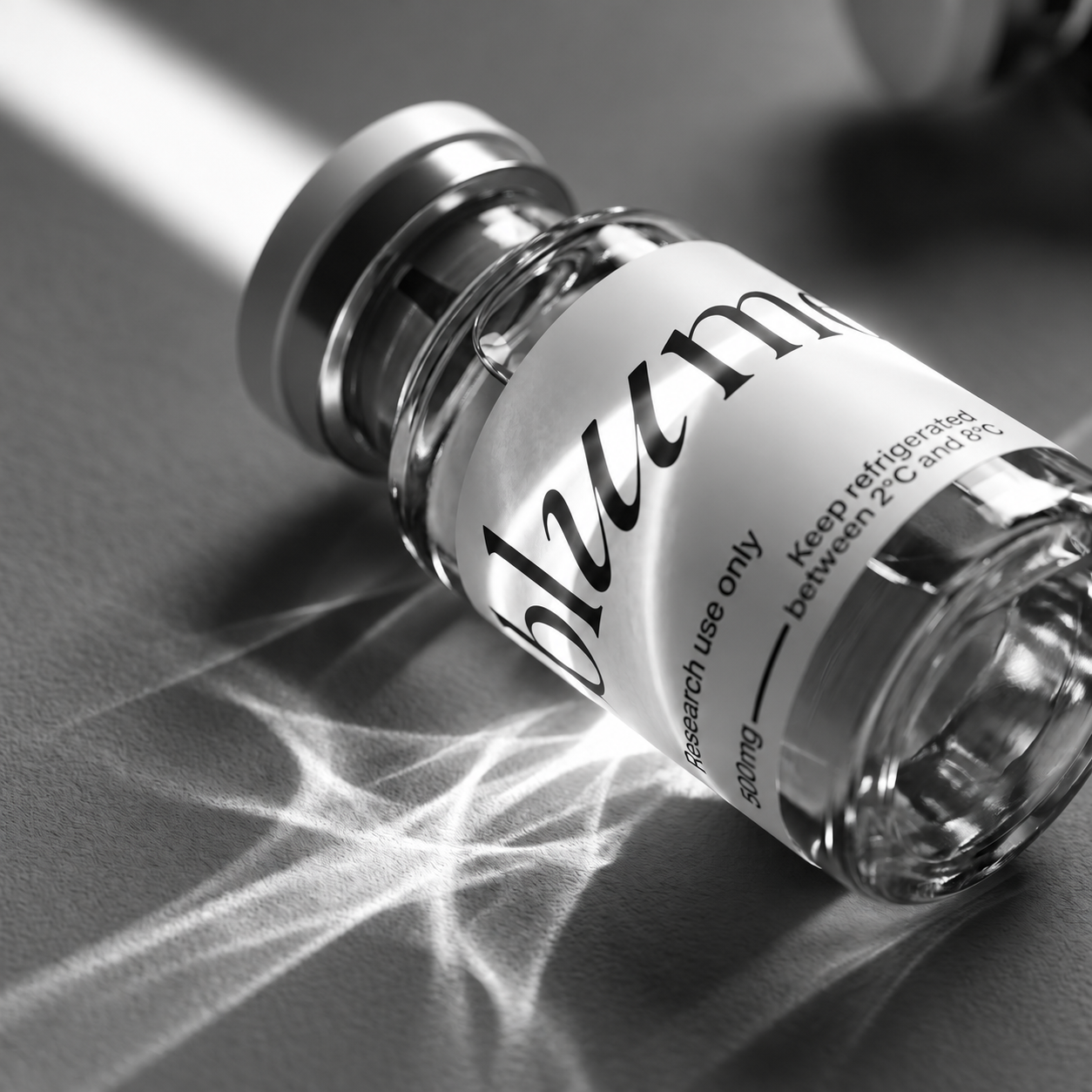
Finding a well-documented BPC-157 and TB-500 blend takes a little more work than checking a single-compound research product. There are two compounds in the same product, which means there are two identities and two purity results to verify. Then there is a third question: does the ratio between them actually match the label?
That is where many listings become difficult to compare. A supplier might show an impressive purity percentage without making it clear whether that number applies to BPC-157, TB-500, or the mixture as a whole.
For BPC-157 TB-500 blend suppliers research use documentation should answer those questions rather than leave researchers to make assumptions.
This guide will review the main criteria you should pay attention to:
testing tied to the current batch;
separate information for both compounds;
evidence supporting the declared ratio;
an independent laboratory that can be identified and verified.
For research and laboratory use only. Not for human or animal consumption.
What Are BPC-157 and TB-500?
The names BPC-157 and TB-500 peptide often appear together on supplier websites, but chemically they are different compounds. That distinction matters when reading a COA because each one needs to be identified and evaluated on its own.
BPC-157: Chemical Structure
Body Protection Compound 157 (Pentadecapeptide), or BPC-157, is a synthetic peptide made of 15 amino acids. Its molecular formula is C62H98N16O22, its molecular weight is about 1,419.5 g/mol, and its CAS number is 137525-51-0.
These details help laboratories check whether a product matches its documentation. HPLC is used to check purity, while mass spectrometry helps confirm that the compound has the required molecular mass.
TB-500: Chemical Structure
Thymosin Beta-4 Fragment, commonly designated TB-500, needs a particularly careful look at the specification sheet. The reason is simple: suppliers do not always use the TB-500 designation in exactly the same way.
Some technical listings connect the name with full-length Thymosin Beta-4, a 43-amino-acid peptide commonly listed under CAS number 77591-33-4, with the molecular formula C212H350N56O78S and a molecular weight of approximately 4,963.4 g/mol. Other listings use TB-500 to describe a fragment.
So when examining a TB-500 vs BPC-157, the short product name is not enough. The supplier should make the actual chemical identity clear in its specifications and analytical records.
Why a Two-Component Blend Is More Difficult to Verify
Imagine a BPC-157 TB-500 20mg blend peptide labelled as containing an equal split of the two components. Seeing the total amount tells you what the supplier claims is in the product overall. It does not, by itself, confirm the amount assigned to each compound.
The same problem appears with purity.
Suppose a listing for a BPC-157 TB-500 blend shows one large “99% purity” figure. At first glance, that looks useful. But 99% of what? Does it represent BPC-157? TB-500? An aggregate result from the mixture?
Without component-level results, there is no clear answer.
This is why documentation for a BPC-157 TB-500 blend needs to go beyond one percentage.
Ideally, a laboratory should be able to answer six basic questions from the available records:
Was BPC-157 identified?
Was TB-500 identified?
What purity result was reported for BPC-157?
What purity result was reported for TB-500?
Do the measured amounts support the ratio on the label?
Does all of this information belong to the current lot?
If you can't answer those questions, a total quantity and a high purity of BPC-157 TB-500 20mg blend peptide don't tell the whole story.
What a Good Blend COA Should Show
A Certificate of Analysis (COA) is most useful when it traces directly to the product being supplied. Start with something basic: the lot number. If the number on the report does not match the current batch, the rest of the document has limited value for that batch.
Next comes the testing itself.
For a two-component product, BPC-157 TB-500 blend supplier quality COA third-party documentation should provide information about each compound rather than treating the mixture as one analyte. Look for independent third-party testing, HPLC purity data, and appropriate mass spectrometry identity confirmation. A reported purity of at least 98% per component provides a useful benchmark for comparison.
The date matters as well. Current BPC-157 TB-500 blend supplier peptide testing certificate third party 2026 is more informative than a certificate that has remained online while several new batches have passed through inventory. Matching the COA to the actual lot is more important than relying on an arbitrary age benchmark.
A useful BPC-157 TB-500 blend supplier peptide testing certificate third party 2026 should make the following information easy to find:
product and compound names;
batch or lot number;
date of analysis;
name of the accredited third-party laboratory;
analytical methods used;
identity information for BPC-157;
identity information for TB-500;
purity result for each component;
quantitative information supporting the declared ratio.
A single combined purity result leaves too much unanswered about BPC-157 TB-500 blend supplier quality COA third-party.
Red Flags on a Blend COA
Some problems are easy to miss when a certificate looks polished. Look more closely when:
there is no batch or lot number;
the lot on the certificate differs from the current product;
only one purity percentage appears for the entire blend;
one of the two compounds has no separate result;
there is no evidence supporting the declared ratio;
the analytical method is missing;
the laboratory is unnamed or difficult to verify;
identity testing is absent;
one certificate appears across several different lots.
You need to focus on traceability, not the PDF's nice design.
Third Party Tested: What Does That Actually Tell You?
BPC-157 TB-500 blend supplier third party tested is useful information, but only when the supplier shows what sits behind the phrase.
First, check the laboratory. Its name should be clearly listed, and you should be able to verify it. If the supplier says the lab is accredited, check whether that claim is correct.
Next, check the report. The lot number should match the product, and the testing method should be listed. The report should also show whether BPC-157 and TB-500 were tested separately or only as one mixture.
Be careful with claims like “99% lab tested.” If the product page shows 99% but the COA does not, there is no clear evidence to support that number.
Strong BPC-157 TB-500 blend research supplier quality documentation does not make researchers hunt for these answers. The product claim, lot number and laboratory report should agree with one another.
Regulatory Status and Supplier Compliance
Regulatory information is another area where wording matters. The useful question for a research laboratory is how the supplier classifies and presents the material—not what an individual may or may not do with it.
BPC-157 TB-500 Blend Supplier Safety Legality FDA 2026
BPC-157-related substances have been considered by the FDA as part of its work involving the 503A bulk drug substances list. FDA materials published in 2026 state that BPC-157 was removed from Category 2 after the relevant nominations were withdrawn.
That did not end FDA consideration of the substance. BPC-157-related substances were subsequently discussed by the Pharmacy Compounding Advisory Committee in July 2026.
For a research supplier, the practical point is about presentation. Research materials should be clearly separated from non-research products or claims.
BPC-157 TB-500 Blend Supplier Safety Legal Status FDA 2026
TB-500-related bulk drug substances were also considered during the FDA's July 2026 Pharmacy Compounding Advisory Committee meeting.
A research vendor should therefore be clear about what it supplies and to whom. Research-use-only language should appear consistently across product information and company policies, rather than being added as an isolated disclaimer.
Other signs of a structured research-supply model can include account requirements, qualification checks, a declaration of research field and documented shipping restrictions.
BPC-157 TB-500 Blend Supplier Legality FDA Warning 2026
A disclaimer cannot fix contradictory messaging elsewhere on a website.
If a supplier labels a research use only (RUO) but uses a different type of positioning in other parts of its site, that inconsistency deserves attention. Product descriptions, educational pages, customer support information, checkout, and company policies should all tell the same story.
BPC-157 TB-500 Blend Suppliers Reputation: What Is Worth Checking?
Checking COA history is a good starting point for BPC-157 TB-500 blend suppliers reputation research. Look at whether the company regularly publishes certificates for new lots and whether previous reports remain accessible. A history of lot-specific documentation tells you more about the supplier's testing process than one certificate uploaded months ago.
The laboratory deserves a separate check. “Independent testing” means more when the testing company is named and can be verified.
Refund policies, shipping terms and storage information add another layer. These documents show how clearly the company handles problems and how much information is available before an order is placed.
The same logic applies when reviewing BPC-157 TB-500 blend supplier safety legal status FDA 2026 information.
While you may want to read some outcome-based reviews, they cannot confirm molecular identity, component purity, or the accuracy of a declared ratio.
How BPC-157 and TB-500 Blend Suppliers Compare in 2026
We compared TB-500 blend and BPC-157 using the same documentation and logistics criteria. No position in the table is paid or sponsored, and the comparison does not consider claimed outcomes or use cases.
We provide no position in the table that is paid or sponsored.
Supplier Comparison
Bluum Peptides
Independent third-party testing: Independent testing published
Component-level COA: Lot-specific records available
Declared ratio confirmed: Component amounts documented
Stated purity: Check current lot COA
Formats available: Multiple blend specifications listed
Storage & shipping: Policies published
Notes: Current and archived COA lookup
Lyze Labs
Independent third-party testing: Testing laboratory named
Component-level COA: Component data published
Declared ratio confirmed: Quantitative information available
Stated purity: Component-level results published
Formats available: Multiple specifications listed
Storage & shipping: Storage information published
Notes: HPLC and MS documentation
DMV Research
Independent third-party testing: Third-party certificate published
Component-level COA: Component information available
Declared ratio confirmed: Quantitative component results published
Stated purity: Check current certificate
Formats available: Blend format documented
Storage & shipping: Check current policies
Notes: Lot-specific testing information
Protide Health
Independent third-party testing: Independent laboratory named
Component-level COA: Component records available
Declared ratio confirmed: Multiple ratios documented
Stated purity: Lot-dependent results
Formats available: Multiple configurations
Storage & shipping: Check current documentation
Notes: Historical certificates available
PeptideTech
Independent third-party testing: Third-party laboratory named
Component-level COA: Lot-specific documentation
Declared ratio confirmed: Check current quantitative report
Stated purity: Current lot result published
Formats available: Lyophilized format
Storage & shipping: Handling information available
Notes: HPLC and LC-MS listed
Routine Peptides
Independent third-party testing: Third-party laboratories named
Component-level COA: Lot-specific certificates
Declared ratio confirmed: Component quantities reported
Stated purity: Lot-dependent results
Formats available: Blend format listed
Storage & shipping: Shipping information published
Notes: Historical certificates available
A BPC-157/TB-500 blend with the highest advertised percentage is not automatically the best documented product in the table. For TB-500 blend and BPC-157, the more useful question is whether both components can be traced through the certificate.
Formats and What the Label Should Tell You
For a BPC-157 and TB-500 blend supplied as lyophilized powder, the label should clearly identify both compounds and state the total quantity as well as the amount assigned to each component. The batch number, storage conditions, and RUO statement should also be visible.
Chemical identifiers are useful here too, especially because the TB-500 designation is not always used consistently between suppliers.
Listings for BPC-157/TB-500 blend capsules need the same level of clarity. A different physical format does not change the need for precise chemical identification, batch traceability and component-level analytical documentation.
Whatever the format, the label and COA should agree. If the product page, packaging and laboratory report describe different specifications, that discrepancy needs to be resolved before the documentation can be considered complete.
FAQ
What should a BPC-157 and TB-500 blend COA contain?
A BPC-157 and TB-500 blend COA should show the lot number, testing date, independent laboratory and analytical methods. Both compounds should have separate identity and purity information. The report should also provide quantitative evidence for the declared component ratio, rather than relying on one purity percentage for the entire mixture.
Why should BPC-157 and TB-500 be tested separately?
They are two different compounds, so one combined result cannot fully describe both. Separate testing makes it possible to check the identity and purity of each component. For a BPC-157 TB-500 product, this also helps reveal whether one component falls outside the specification while the overall mixture still appears acceptable.
How can the declared component ratio be checked?
Look for quantitative results for both components on the batch-specific laboratory report. Then compare those figures with the ratio stated on the product label. A supplier simply printing an equal split on the product page does not independently confirm that the tested batch contains the same proportion.
How are BPC-157 and TB-500 treated in FDA regulatory review?
FDA considered BPC-157-related and TB-500-related substances during its 2026 work on bulk drug substances. Research vendors should keep their positioning consistent with laboratory supply and avoid mixing RUO classification with contradictory claims elsewhere in their materials.
How often should a blend COA be updated?
Look for a COA that matches the current batch. The lot number is more important than the age of the certificate. A traceable report for the exact batch is more useful than a newer report for a different batch.
What makes a blend supplier's documentation questionable?
Missing lot numbers, unclear testing methods, unsupported purity percentages, and a lack of component-level results are all reasons to investigate further. Inconsistent RUO positioning is another concern. Product specifications, COAs, supplier policies, and other published information should agree rather than making researchers reconcile conflicting claims themselves.
Summary: What to Check Before Choosing a Research Supplier
The following checklist covers most of the important documentation:
Match the lot. The certificate should belong to the batch currently supplied.
Check both identities. Each compound needs its own analytical evidence.
Read both purity results. Do not rely on one combined percentage.
Verify the ratio. The declared split should be supported by quantitative data.
Check the laboratory. Look at who performed the analysis and which methods were used.
Read the supplier's policies. Storage, shipping and research-only requirements should be clear before procurement.
When evaluating BPC-157 TB-500 blend suppliers research use documentation, the basic rule is simple: follow the evidence back to the batch.
You can review Bluum's BPC-157/TB-500 product information for the current specification and lot details, then use the company's COA lookup to examine available third-party testing. The research-use terms provide additional information about eligibility and account requirements.
A well-documented BPC-157 and TB-500 blend should not require researchers to rely on a “99% pure” headline. Records should support the identity of both compounds, their individual results, the declared ratio, and the current lot.
For research and laboratory use only. Not for human or animal consumption.
_2026-06-24_19-56-41-01M317J0TYVV9FA05A3SF0MCCS.png)
_2026-06-24_22-26-46-01M2YZ2NZNVH3RKQQ6DBDPWKS5.png)