

Bulk peptide research becomes easier to manage when every material can be traced back to its exact lot. A product name and stated purity are helpful starting points, but they do not tell the full story once a peptide is used across repeat assays, method development, or longer research timelines. We recommend building lot tracking into your normal purchasing and lab intake process before order volume grows.
When research moves from small exploratory orders to bulk procurement, clear records help you keep results in context. The goal is simple: you should be able to identify what material was used, when it arrived, and which supporting documentation belongs to it.
Protect Research Continuity with Traceable Lots
Treating every order of the same peptide as interchangeable can create avoidable confusion. Product specifications may remain consistent, yet each received lot should still have its own place in your records. If an assay produces an unexpected result later, knowing the lot used gives your team a useful starting point for review.
For bulk peptide research, traceability connects the physical vial or larger material quantity to the paperwork that supports it. That connection can remain useful long after the shipping box is gone.
A practical record for each lot may include:
The peptide product name and supplier
The lot number shown on the label
The matching Certificate of Analysis, or COA
The date your laboratory received the material
The storage location and internal inventory ID
At Bluum, we provide research-use-only peptides with third-party testing and published Certificates of Analysis. These details can support laboratories that need organized peptide procurement while keeping research materials and records connected.
Link Bulk Peptide Research to Verifiable COAs
A COA is most helpful when you can confirm it belongs to the exact lot in your lab. Before material enters a protocol, assay, or stability evaluation, we encourage you to compare the information on the product label with the information in the corresponding document.
Start with the basics. Check that the peptide identity and lot number align, then review the reported purity, analytical testing method, testing date, and any specifications that matter to your internal acceptance process. Your lab may have different review needs depending on the type of work being performed, so a clear comparison step helps keep the process consistent.
Third-party testing adds another layer of documentation for researchers reviewing peptide identity and purity information. It does not replace your laboratory’s own procedures, but it can give your team data to review before material is introduced into a workflow.
A simple bulk-order intake routine can prevent paperwork from getting separated from the materials it describes:
Save the matching COA in a shared documentation system
Log the lot number in your lab inventory
Record the receipt date and storage location
Link the lot number to assay notes or electronic lab records
Keep related order details with the documentation
This kind of routine takes little time at intake and can save a great deal of searching later. When your team compares runs, reviews archived data, or investigates variability, the supporting information is already in one place.
Manage Lot Changes Before They Affect Protocols
A lot change does not automatically mean there will be a problem. Still, it is useful to know exactly when a laboratory finished one lot and started another. That handoff provides context for every result that follows.
We suggest recording lot transitions in the same place where your team tracks experiments, inventory movement, or protocol activity. Whether you use paper notebooks, spreadsheets, or an electronic laboratory system, the important part is consistency. A note that identifies the date of transition and the new lot can make later comparisons much clearer.
For research methods that are especially sensitive, a laboratory may choose to conduct bridging work before moving fully to a new lot. The amount of comparison should match the method, the research goals, and your established internal procedures. In some cases, reviewing a small number of side-by-side results may be appropriate before beginning a larger series.
Procurement planning also matters here. Before placing a larger order, you can review the product documentation available and confirm what records will accompany the material. If a project needs continuity over a defined period, lot traceability should be part of your supplier review discussion rather than an afterthought.
Build Year-End Purchasing Plans Around Traceability
Late fall is a good time to review what is already in your peptide inventory. Year-end ordering often overlaps with budget planning, holiday schedules, and preparation for early-year research work. With several priorities happening at once, it is easy for documentation tasks to slide down the list.
A quick inventory review can help your team identify peptides nearing depletion, lots currently in use, and materials that upcoming studies may need. It can also help you decide whether a project would benefit from maintaining continuity with an existing documented lot.
When ordering windows are compressed, same-day U.S. shipping can help support timely research procurement. Bluum’s same-day U.S. shipping gives laboratories a way to receive research-use-only materials promptly while maintaining access to product and lot documentation.
As orders arrive, archive records right away. Saving COAs, invoices, product details, receipt dates, and lot numbers during intake reduces administrative pressure during busy periods. It also gives your team cleaner files when January projects begin and schedules become full again.
Make Peptide Research Easier to Audit
A repeatable documentation system does not need to be complicated. The best process is often one your entire team can follow without guessing where information belongs. Each received peptide lot should have an internal inventory entry that ties the material to its history.
We recommend including the supplier, product name, lot number, receipt date, storage location, and a link or file reference for the matching COA. Then, whenever that peptide is used, add the lot number to the experimental record. This small habit can help your team trace result differences back to the materials involved.
Verified procurement begins before an order is placed. Our published COAs and third-party-tested research-use-only peptides give you information to review while selecting materials for current and future work. That makes it easier to organize purchasing decisions around the documentation your lab needs.
Lot verification is not just a purchasing detail. It is a research readiness practice that supports clear records, better comparisons, and more useful reviews when questions arise. Before your next bulk order, take a close look at how your team stores COAs, tracks lot changes, and connects material records to experimental work.
Make Lot Records Easier to Review
At Bluum, we help researchers access documentation that supports organized purchasing and study planning. Use our bulk peptide research COA lookup to review available certificate details by lot. If you have questions about documentation or ordering, contact us for assistance.
Lot-tested research compounds

KLOW Peptide Blend (GHK-Cu / BPC-157 / TB-500 / KPV)
$119.00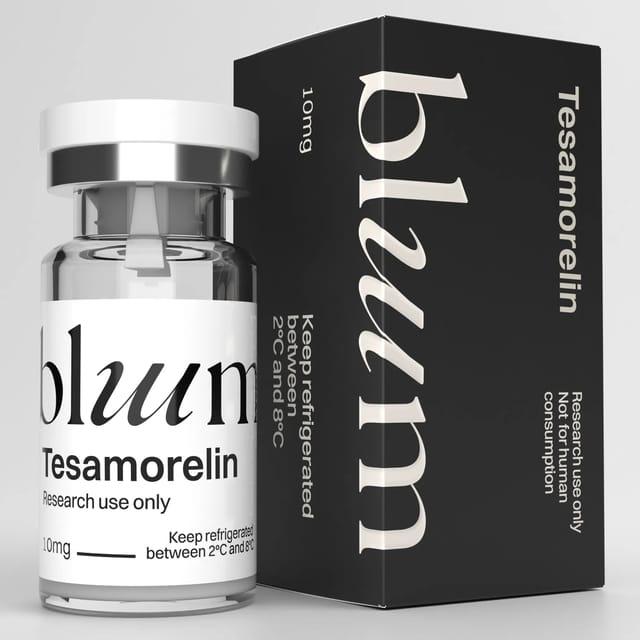
Tesamorelin
From $69.00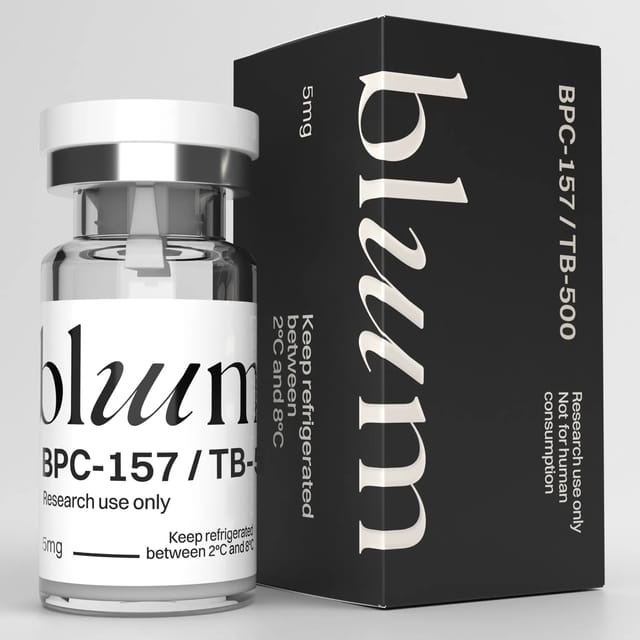
BPC-157 + TB-500
$90.00
MOTS-c
From $39.00


Bluum Peptides supplies research compounds for laboratory and analytical research. Every lot is tested by an independent lab before it ships, and each lab report can be looked up by lot number in the COA library. For research use only; not for human or veterinary use.


