

Protect Research Timelines Before the Spring Rush
Peptide procurement mistakes can slow down far more than a single purchase. When materials arrive late, lack clear records, or do not match the batch details a lab expected, experiments may need to be delayed, repeated, or reviewed again. We see procurement as part of research planning, not a simple checkout task.
November is a smart time to tighten the process. Winter breaks, year-end budget reviews, holiday shipping changes, and the fast start of the spring semester can all put pressure on lab schedules. By reviewing supplier standards now, you can protect grant-funded timelines, improve reproducibility, and give your team more confidence in the materials entering the lab.
Verify Quality Evidence Before Ordering Peptides
One common mistake is accepting a broad quality claim without looking at the documentation for the actual batch being purchased. A dependable university peptide supplier should make it easy for you to review records before an order is approved. Generic statements about quality may sound reassuring, but they do not always give your lab the details needed for internal purchasing review.
We recommend starting with the Certificate of Analysis, often called a COA. This record should correspond to the product and batch you plan to order. It should be clear enough to save with your lab’s procurement documents and reference later if questions come up during a study.
Before placing an order, your team can look for:
Batch or lot identification that matches the product being ordered
Reported purity and the analytical methods used
Storage guidance for proper handling after delivery
Documentation that is current, accessible, and easy to interpret
Independent testing adds another layer of confidence. Third-party batch testing means the information is not based only on a supplier’s internal reporting. Ask suppliers whether they publish Certificates of Analysis and use third-party batch testing, giving research teams a clearer record to review as part of their research-use purchasing process.
Quality checks work best when they are routine. Instead of asking for documentation only after there is a problem, we suggest making document review part of every new supplier approval. That way, researchers and purchasing staff begin with the same expectations.
Vet Every University Peptide Supplier Carefully
Price and product availability can catch attention when budgets are tight, but they should not be the only factors guiding a purchase. A university peptide supplier also needs to be transparent, responsive, and consistent with order information. Missing details can create extra work for the person trying to track materials, answer purchasing questions, or prepare study records.
Product pages should provide a straightforward description of what is being sold. When key details are unclear or inconsistent, comparing options becomes harder and internal records can become incomplete. We recommend confirming the peptide name, available quantity, batch information, research-use limitations, storage expectations, and ordering policies before moving ahead with a larger purchase.
Communication matters just as much as the product listing. If a study is waiting on time-sensitive material, vague answers about batch availability, COAs, shipping procedures, or order status can quickly become a scheduling problem. Clear support helps your team make decisions before the order is placed, not after a deadline is already approaching.
A simple supplier review checklist can keep decisions consistent when several researchers share purchasing duties. Consider including:
Quality documentation and third-party testing practices
Batch availability and record retention options
Shipping origin, processing timing, and tracking updates
Customer support responsiveness and order-status clarity
Payment requirements and alignment with university policies
This type of review does not need to be complicated. It simply gives your lab a repeatable way to qualify a supplier instead of relying on a quick search or an old email thread.
Plan Shipping Around Breaks and Budget Deadlines
Shipping assumptions are another frequent source of avoidable delays. Campus receiving hours may change around Thanksgiving, winter break, holidays, weather events, and other closures. Even a well-documented order can become difficult to manage if it arrives when no one is available to accept it or place it into proper storage.
Before ordering, we encourage you to confirm where the product ships from, whether same-day processing is available, the carrier cutoff time, and how tracking details will be shared. Domestic fulfillment can support faster delivery planning, but carrier timing and campus procedures still need to be part of the plan. Confirm available shipping options with the supplier, while researchers should still allow time for their own receiving process and possible carrier changes.
Delivery coordination should include storage planning. Send peptide orders to an approved location where trained staff can receive the package and follow the supplier’s handling guidance. Ordering right before an extended closure can create uncertainty unless someone is assigned to monitor delivery and complete intake.
November planning can help your department avoid rushed decisions at the end of the year. Review anticipated peptide needs early, account for reduced operating hours, and submit orders with enough time for documentation and delivery. This also helps teams use approved funds with more care instead of making last-minute purchases with incomplete records.
Standardize Records for Faster Reorders
Treating every purchase as a one-time transaction can create problems later. Details may end up scattered across individual inboxes, spreadsheets, lab notebooks, and personal ordering accounts. When that happens, it can be difficult to confirm which product was used, which batch supported a prior experiment, or where the related COA was saved.
We suggest creating one centralized record for each peptide order. The record can follow the material from purchasing through delivery and use, helping your team maintain continuity when staff roles change or an experiment needs to be repeated.
A useful purchasing record may include:
Product name and catalog or product identifier
Supplier name and batch or lot information
Certificate of Analysis and related testing documents
Order date, delivery date, and storage requirements
Researcher, project, or grant tied to the purchase
Consistent records also make supplier management easier. When a supplier has provided clear documentation, dependable fulfillment, and useful support before, your team has a better basis for reordering. If an earlier purchase caused delays or raised documentation concerns, that history can help prevent the same issue from happening again.
Each university may have its own retention rules for grant reporting, approvals, audits, and research traceability. Aligning your lab’s order records with those policies can reduce later administrative work while keeping the research team focused on study planning.
Turn Better Controls Into Confident Purchasing
As spring research activity approaches, stronger procurement controls can prevent many of the delays that interrupt lab work. Reviewing supplier qualifications, verifying batch documentation, planning shipping around campus schedules, and keeping organized records all support a steadier workflow.
Start with a supplier review checklist, confirm upcoming peptide needs before winter slowdowns, and make sure quality and fulfillment details are easy for your team to verify. Clear records and realistic delivery planning give researchers a firmer foundation for repeatable, well-organized purchasing decisions.
Strengthen Your Peptide Procurement Process
Bluum helps research teams build dependable sourcing workflows with clear documentation and responsive support. Apply to work with a university peptide supplier that understands the needs of institutional purchasing. For questions about wholesale access or product availability, contact us and our team will be glad to help.
Lot-tested research compounds

KLOW Peptide Blend (GHK-Cu / BPC-157 / TB-500 / KPV)
$119.00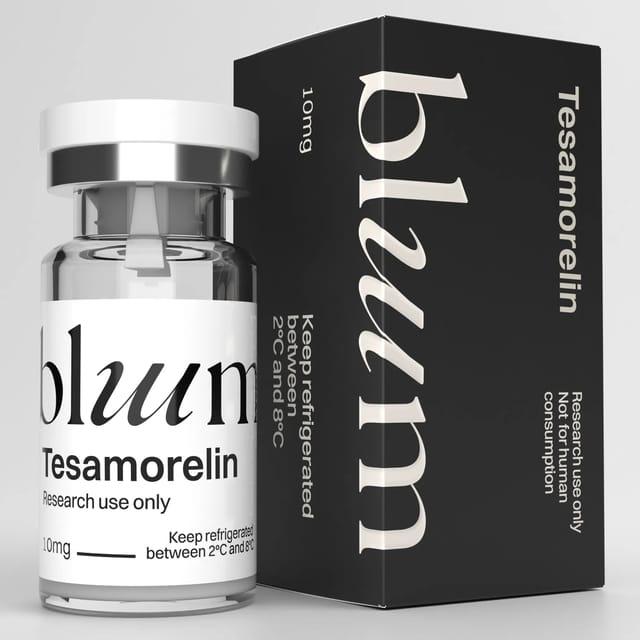
Tesamorelin
From $69.00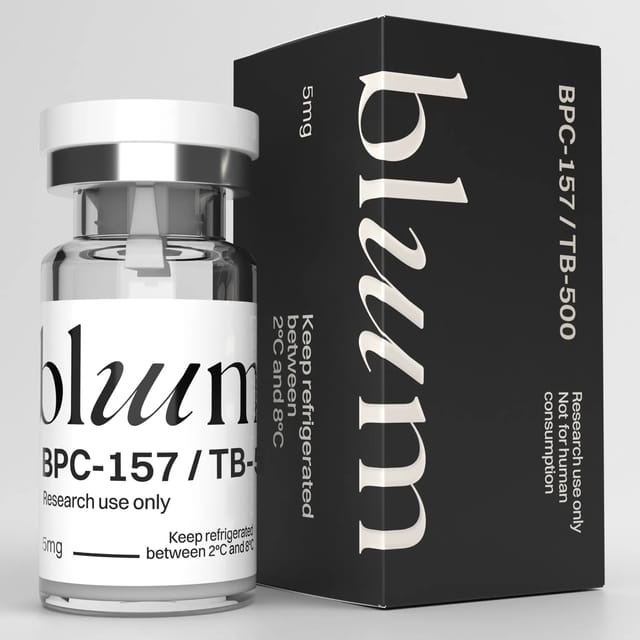
BPC-157 + TB-500
$90.00
MOTS-c
From $39.00


Bluum Peptides supplies research compounds for laboratory and analytical research. Every lot is tested by an independent lab before it ships, and each lab report can be looked up by lot number in the COA library. For research use only; not for human or veterinary use.


