

Match Peptide Grade to Your Research Goals
Peptide grade matters because the label can shape your sourcing choices, study plans, records, and internal review process. Still, one grade is not automatically better than another for every project. The right material depends on what you are studying, how sensitive your methods are, and what documentation your laboratory needs.
We recommend starting with the intended use. Grade labels may point to different manufacturing controls, documentation practices, intended applications, and regulatory expectations. A high purity result is meaningful, but purity by itself does not tell you whether a peptide fits your complete research workflow.
At Bluum, we supply research-use-only peptides for laboratory and research applications. Before selecting a compound, we encourage you to review its specifications, published Certificate of Analysis, and handling information. Those details give you a clearer picture than a broad label alone.
What Research Grade Can Mean
Research grade usually describes material intended for analytical, laboratory, and preclinical research settings. It can support controlled work such as assay development, receptor studies, analytical method work, and stability investigations. Research-use-only peptides are not represented as approved medicines or products for human use.
Terms can vary from one supplier to another, which is why supporting records deserve close attention. Rather than assuming that “research grade” means the same thing everywhere, we suggest comparing the evidence tied to the actual product and lot.
Helpful documentation may include:
Identity confirmation for the peptide
Reported purity results and the testing method used
Lot-specific or batch-specific records
Storage and handling guidance
Traceable product and batch information
A Certificate of Analysis, often called a COA, can help you confirm the reported characteristics of the material you receive. It also gives your team a useful record to retain with study files.
Research grade does not automatically mean low quality. A research-use-only peptide can still be evaluated through rigorous analytical testing. What matters is whether the supplier clearly communicates the material’s intended use, reported testing, and available documentation. We believe the data for each lot should carry more weight than vague claims about quality.
Why Pharmaceutical-Grade Peptides Need Context
The phrase pharmaceutical-grade peptides is often used broadly, but it needs context. In general, it is associated with materials intended for regulated drug development, clinical manufacturing, or approved therapeutic products. That is a very different setting from ordinary nonclinical laboratory research.
Pharmaceutical use typically involves more than a purity percentage and a COA. Depending on the jurisdiction and stage of development, the larger quality framework may include controlled manufacturing processes, documented quality systems, facility requirements, packaging controls, traceability, stability work, release testing, and regulatory oversight. Sterility requirements may also apply when relevant to a specific drug product.
For that reason, a peptide cannot accurately be considered pharmaceutical grade simply because it has a high reported purity level. Purity is one part of a material’s profile, but it does not stand in for every control required for therapeutic or clinical use.
Routine research often does not require material intended for pharmaceutical settings. For nonclinical work, the more useful question is whether the peptide fits your study design, assay sensitivity, institutional policies, and reproducibility goals. A well-documented research-use-only product may be appropriate when those needs are clearly defined.
Compare Evidence Instead of Marketing Claims
Words such as premium, medical, therapeutic, and pharmaceutical grade can sound reassuring, but they are not a substitute for clear records. We encourage you to compare suppliers based on what they show, not simply what they call a product.
Start with lot-specific documentation. A meaningful COA should identify the product and batch or lot, report purity, state the analytical method, and include relevant identity information. Third-party testing can provide an added layer of confidence when you are assessing reported specifications.
As you compare materials, look for answers to a few practical questions:
Is the peptide clearly labeled for research use only?
Is a COA published for the product or lot?
Are purity and identity details plainly reported?
Does the supplier share handling or storage information?
Can your laboratory retain records that connect the material to a specific study?
Clear intended-use language matters too. Suppliers should distinguish research-use-only products from materials intended for clinical or therapeutic settings. That separation helps you maintain appropriate purchasing records and avoid using a research product outside its stated purpose.
Our focus on third-party-tested compounds and published Certificates of Analysis supports an evidence-based sourcing process. You can compare reported product characteristics without treating research-use-only inventory as the same thing as pharmaceutical-grade peptides.
Plan Year-End Orders Around Study Timing
November often brings tighter research schedules. Holiday closures, budget deadlines, inventory reviews, and limited receiving hours can all affect when your materials arrive and when a study can begin. A little planning can help your team avoid preventable interruptions.
Before placing a time-sensitive order, review your upcoming assay dates, expected repeat experiments, sample preparation needs, available storage space, and internal receiving procedures. It is also wise to confirm product availability, shipping cutoffs, and delivery expectations. We provide same-day U.S. shipping when eligible, but current processing timelines, carrier schedules, and location-specific limits should always be verified.
When materials arrive, record the product name, lot number, COA, receipt date, storage conditions, and intended study. Those notes may seem simple, yet they can make it much easier to interpret findings months later or compare results across repeat work.
Create a Clear Standard for Future Purchases
A repeatable sourcing checklist can make future peptide purchases easier to evaluate. We suggest prioritizing fit for purpose, documentation, transparent product information, laboratory policies, and responsible research-use-only handling. The strongest-sounding grade label is not always the best choice for your work.
For each purchase, match the material to the research objective and the level of analytical confidence your study requires. Keep the COA and lot records with your study documentation, follow stated storage guidance, and confirm that the product’s nonclinical intended use aligns with your laboratory’s plans. This practical standard supports clearer decisions and more reproducible research workflows.
Source Peptides With Greater Confidence
At Bluum, we make it easier to find research materials that fit your protocol and documentation needs. Browse our selection of pharmaceutical-grade peptides to compare available options for your nonclinical research. If you need help selecting a product, contact us for assistance.
Lot-tested research compounds

KLOW Peptide Blend (GHK-Cu / BPC-157 / TB-500 / KPV)
$119.00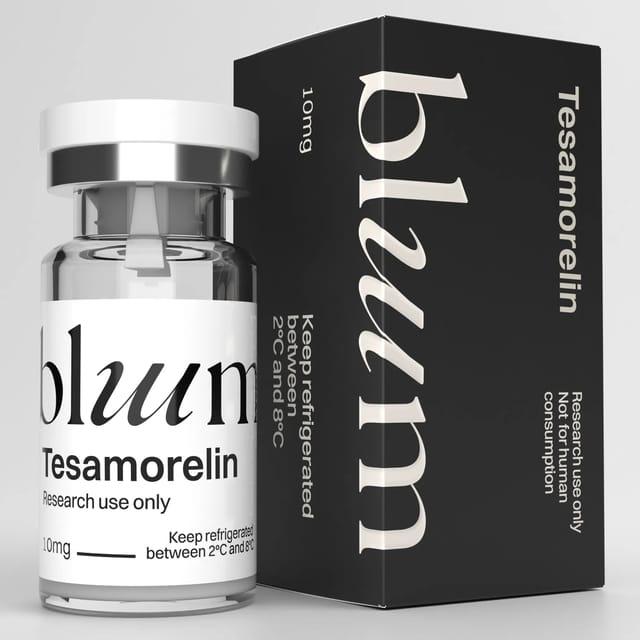
Tesamorelin
From $69.00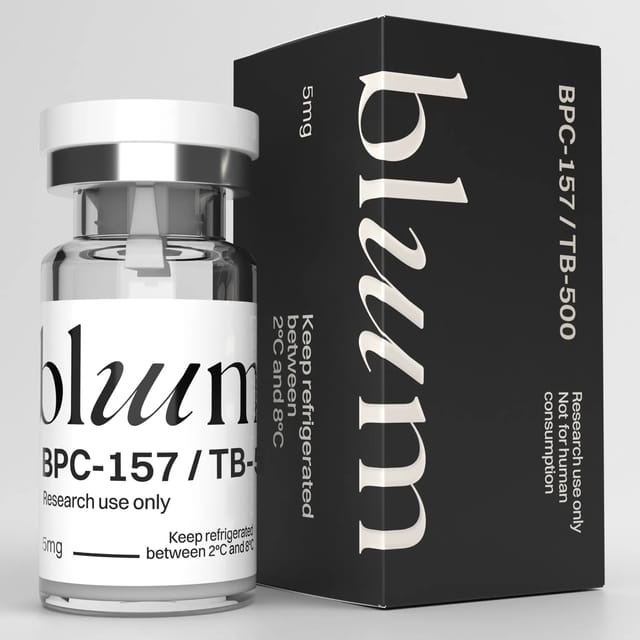
BPC-157 + TB-500
$90.00
MOTS-c
From $39.00


Bluum Peptides supplies research compounds for laboratory and analytical research. Every lot is tested by an independent lab before it ships, and each lab report can be looked up by lot number in the COA library. For research use only; not for human or veterinary use.


