

Peptide documentation is more than a purchasing detail. When identity, purity, or handling records are unclear, your team may face unwanted questions after an assay has already started. That can mean repeated work, delayed reviews, and less time for grant milestones, publication plans, or year-end deadlines.
We recommend treating peptide verification as part of research planning from the start. Research-grade peptides are intended for laboratory research use only, and each lab should set standards that fit its assays, internal quality process, and institutional purchasing rules. Whether results come from the supplier or an independent lab, you should know who performed the testing, what they tested, and whether the records match the exact material in your hands.
How in-House and Independent Testing Differ
In-house testing means the manufacturer, supplier, or an affiliated laboratory performs the analysis. This approach can support fast batch release, ongoing process checks, and quick access to documentation. When a supplier uses clear procedures and maintains good records, in-house data can provide useful information for a research team.
Third-party-tested peptides have also been analyzed by an independent laboratory that does not manufacture or sell the material. That separation can add confidence when your work is time-sensitive or when your internal review process calls for outside verification.
Still, independence alone does not make a report automatically better. We encourage you to look past broad quality statements and review the details behind them. A useful evaluation includes:
Who performed the analysis
Which method was used for purity and identity
How the sample or lot was identified
Whether the report applies to the finished batch you are purchasing
How clearly the results are presented
The strongest supplier records make it easy to understand what was measured. Instead of relying on a label that says “verified” or “high purity,” you should be able to see the batch number, the analytical approach, and the reported findings.
What a Useful Certificate of Analysis Should Show
A certificate of analysis, often called a COA, should connect directly to a specific lot or batch. The lot number on the certificate should match the vial label, outer packaging, packing documents, and your laboratory’s receiving records. If those records do not line up, the document has limited value for that particular material.
At a minimum, we suggest looking for clear product identification and test information. Depending on the peptide and supplier, a COA may include HPLC data for purity profiling and mass spectrometry for molecular identity confirmation. These methods answer different questions, which is why both can matter.
A helpful COA commonly includes:
Peptide name or product identifier
Lot or batch number
Reported purity result
Identity confirmation method
Analysis date and reported findings
The name of the testing entity
Traceability matters as much as the number printed beside purity. A credible report provides enough context for your team to interpret the result. It should not rely on unsupported language with no analytical information behind it.
We also recommend saving COAs with experimental records. For third-party-tested peptides, keeping the published certificate alongside receiving logs can support internal reviews and make it easier to investigate unexpected assay performance later.
Verify Methods, Identity, Purity, and Batch Match
Purity is important, but it does not tell the whole story. A purity percentage generally describes the relative amount of a target peak under a particular analytical method. By itself, it does not independently prove that the target material has the expected molecular identity.
For that reason, your review should include identity confirmation. Mass spectrometry data, or another appropriate method, can help show whether the material aligns with the expected molecular mass. The right level of documentation depends on your planned work, including how sensitive the assay is and how much uncertainty your workflow can tolerate.
Batch matching is equally important. Before material enters an assay, screening program, or method development workflow, we recommend confirming that the same lot appears across all records. Check the COA, vial, outer packaging, purchase record, and receiving log whenever possible.
There is another useful question for teams reviewing third-party-tested peptides: Was the independent analysis performed on the finished lot or on a representative sample? Clear, batch-specific reporting gives you a stronger basis for deciding whether the material fits your research plan.
Build a Supplier Review Process Before Q4 Purchasing
October is a practical time to review sourcing procedures before Q4 deadlines, year-end budget use, and possible seasonal shipping disruptions. A simple pre-purchase process can prevent a missing certificate or unclear lot record from becoming a last-minute problem.
Start by creating one shared checklist for your research team. Consistent standards help different buyers make decisions using the same information, even when multiple projects are moving at once. Your checklist can cover:
Published, batch-specific COAs
In-house and third-party testing information
Research-use-only limitations
Storage guidance and shipping practices
A clear process for requesting records when needed
Availability also deserves a place in the review. Fast fulfillment can help when a project timeline is tight, but shipment speed should never replace verification. We recommend confirming that product information and the relevant certificate are accessible before the material is needed for a time-sensitive experiment.
At Bluum, we provide research-grade peptides for laboratory research use only, published certificates of analysis, third-party testing information, and same-day U.S. shipping. Even so, we encourage you to review the documentation for each product and decide whether it meets the needs of your own protocols.
Set a Defensible Standard for Every Incoming Batch
A dependable sourcing decision rests on evidence, not marketing language. Whether data comes from an in-house laboratory or an independent testing partner, your team should verify the batch match, analytical methods, reported results, and access to the supporting documents.
Before ordering, define a repeatable acceptance process for incoming material. Recording the COA, confirming the lot number, and noting supplier information can strengthen traceability long after the experiment is complete. Third-party testing can be one meaningful part of that broader review, helping your team protect research timelines and make clearer decisions about the materials entering the lab.
Verify Documentation With Confidence
Use our third-party-tested peptides COA lookup to review the documentation tied to your materials before they enter your workflow. At Bluum, we support labs with accessible records that make verification more straightforward. If you have questions about a product or its documentation, contact us for assistance.
Lot-tested research compounds

KLOW Peptide Blend (GHK-Cu / BPC-157 / TB-500 / KPV)
$119.00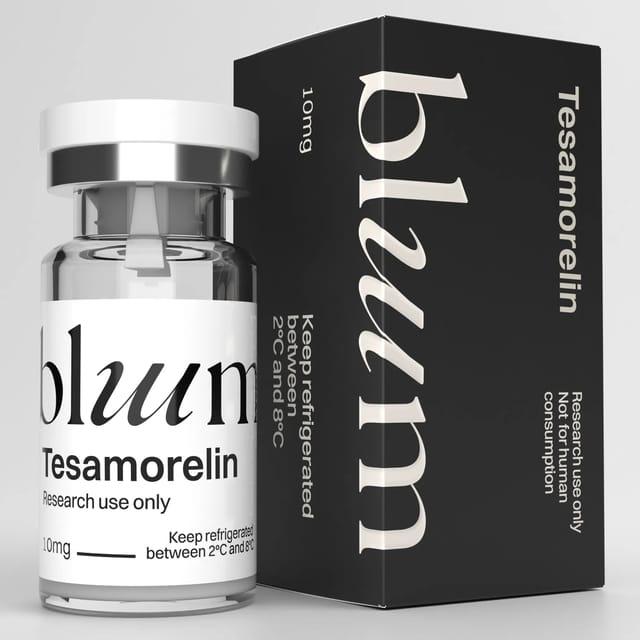
Tesamorelin
From $69.00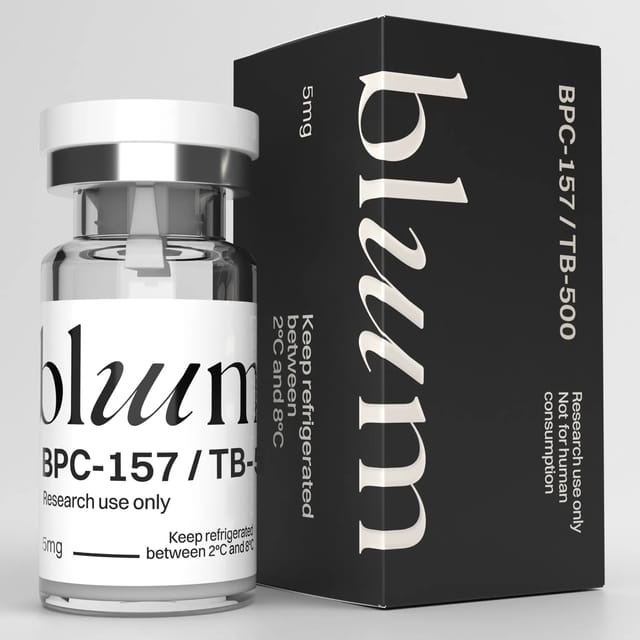
BPC-157 + TB-500
$90.00
MOTS-c
From $39.00


Bluum Peptides supplies research compounds for laboratory and analytical research. Every lot is tested by an independent lab before it ships, and each lab report can be looked up by lot number in the COA library. For research use only; not for human or veterinary use.


