

Build Repeatable Studies From the First Vial
Reproducibility starts before a protocol is run or an instrument is turned on. It starts with the materials you introduce into the study, including the peptide in the first vial. When identity, purity, handling history, or documentation are unclear, unexpected variation can lead to repeat runs, delayed timelines, wasted samples, and difficult conversations between teams.
We believe reliable research begins with a deliberate sourcing process. A product name and a stated purity level are not the full picture. Clear lot-level information gives you a better understanding of what entered the experiment, supports stronger planning, and makes comparative results easier to defend.
November is a useful time to take stock. As year-end studies wrap up and teams prepare upcoming protocols, budgets, and reagent inventories, it is worth asking whether current peptide sourcing practices truly support repeatable work. Documentation, quality verification, storage, and purchasing consistency all belong in that conversation.
Create a Traceable Starting Point
Research-grade peptides should give you a clear path from purchase to experiment. Each vial should be connected to records that explain what it is, where it came from, and how it was handled before use. That chain of information becomes especially helpful when you need to repeat an experiment, compare results between runs, or share work with collaborators.
We recommend linking each material to a simple set of records, including:
Product identifier and lot or batch number
Date received and initial storage condition
Certificate of Analysis, or COA
Preparation details, such as concentration and solvent
Internal labels or inventory records tied to the experiment
A marketing claim is not the same as usable quality documentation. A published COA can provide lot-specific details such as reported purity, identity testing, analytical methods, and molecular data. Reviewing it before work begins helps you decide whether the material fits the needs of the protocol and your lab’s internal requirements.
Our research-use-only peptides are third-party tested and accompanied by published Certificates of Analysis. Having that documentation available supports informed purchasing decisions and cleaner records from the start. The goal is not to treat paperwork as an afterthought, but to make it part of the experimental plan.
Control Variables Beyond the Product Label
Consistency does not stop when the shipment arrives. Even a well-documented peptide can introduce variation if different team members use different reconstitution methods, solvents, concentrations, storage temperatures, labeling systems, or freeze-thaw practices.
For that reason, we encourage labs to create written handling procedures for each material. The process does not have to be complicated, but it should be clear enough that the same steps can be followed by every person who works with the peptide. A shared procedure also makes training easier when staffing changes or a study moves to another location.
Useful details to record during an experiment include:
Peptide lot number and concentration
Preparation date and solvent used
Storage conditions and freeze-thaw history
Operator name and relevant instrument settings
Control materials used alongside the peptide
When results differ from expectations, those details give you a practical place to begin. The source of variation may relate to materials, methods, equipment, biological conditions, or another part of the workflow. Complete records make it easier to review each possibility without relying on memory or guesswork.
Build Confidence Across Teams
When multiple researchers or locations are involved, consistent materials and documentation help everyone speak the same language. Knowing that a peptide was sourced through the same process and paired with lot-specific information makes it easier to interpret differences between experiments. It will not remove every variable, but it can reduce uncertainty around one important input.
Continuity also matters as a project grows. Early exploratory work may develop into larger validation efforts, and changes in supply sources can complicate comparisons over time. We maintain an established catalog of research-use-only compounds, including established and next-generation peptides, so teams can think ahead about materials needed for ongoing work.
Clear records support more than the bench team. Principal investigators, lab managers, procurement staff, and external collaborators all benefit when product information is easy to find and understand. Our published COAs and third-party testing information can help support internal discussions about material selection, lot tracking, and study records.
November procurement planning is also a good time to account for holiday schedules and ordering needs. Reviewing inventory before a study begins can help reduce avoidable pauses caused by a missing material or incomplete documentation package.
Turn Documentation Into a Reproducibility Plan
Peptide sourcing deserves a place in experimental design, not just in purchasing. Before the next order, we suggest defining what documentation your team needs, reviewing available COAs, and deciding how lot numbers will be captured in study records. Pair those decisions with shared storage and preparation procedures, and you have a more reliable framework for repeatable work.
A practical review can be as simple as asking a few questions: Can every vial be linked to a lot number? Are COAs reviewed before use? Does every team member follow the same preparation steps? Are storage conditions and experimental details recorded in a consistent format?
Small, consistent decisions add up over the life of a study. Before beginning the next round of experiments, review your current peptide documentation, identify any gaps, and make sure your materials, records, and handling practices are ready to support the work ahead.
Support More Reliable Research Outcomes
At Bluum, we provide research-grade peptides to help support well-documented, consistent experimental workflows. Review our available materials to find options that align with your study requirements and sourcing standards. If you have questions about selecting products for your research, contact us for assistance.
Lot-tested research compounds

KLOW Peptide Blend (GHK-Cu / BPC-157 / TB-500 / KPV)
$119.00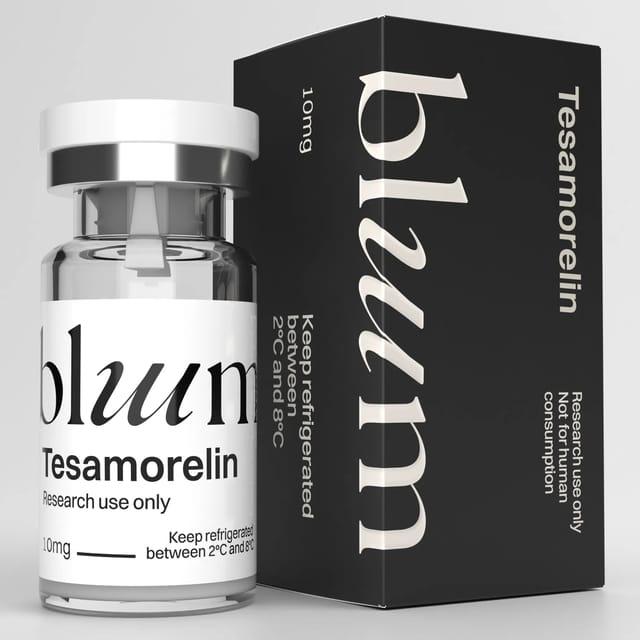
Tesamorelin
From $69.00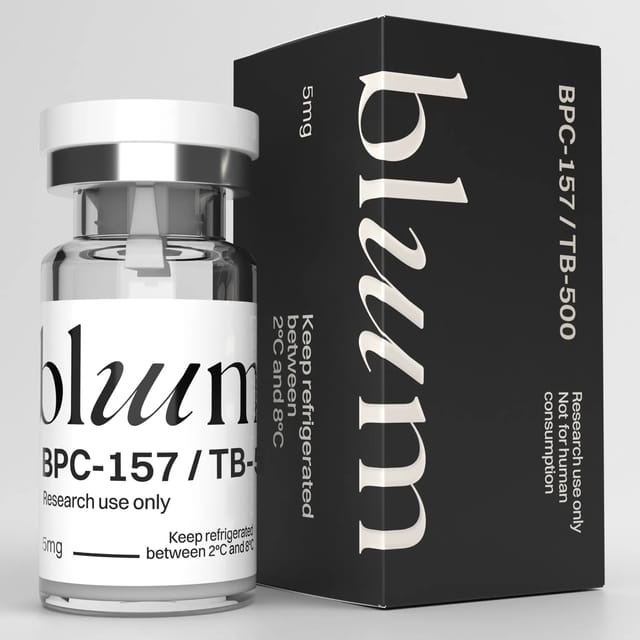
BPC-157 + TB-500
$90.00
MOTS-c
From $39.00


Bluum Peptides supplies research compounds for laboratory and analytical research. Every lot is tested by an independent lab before it ships, and each lab report can be looked up by lot number in the COA library. For research use only; not for human or veterinary use.


