

A research peptides COA should be reviewed before a peptide enters your laboratory workflow. This document gives you a batch-specific record of reported testing and helps you decide whether the material fits the analytical needs of your study.
We see documentation review as part of good research planning, not an afterthought. When you confirm records before ordering and receiving materials, you can support clearer experiment files, stronger traceability, and fewer avoidable hold-ups later.
Start Every Study with Verifiable Quality
A Certificate of Analysis, often called a COA, is more than a product description. It should connect a specific batch or lot of material to reported analytical information. That connection matters when you need to understand what was tested and how the results relate to the peptide in your hands.
Early review can help your team make more informed purchasing decisions. It also gives you a chance to compare the available documentation with your planned research methods before the material is logged into inventory. If your work calls for certain reported attributes, a clear COA can help you determine whether the available batch record is suitable for review under your internal procedures.
October is also a useful time to tighten up documentation habits. As Q4 moves forward, many labs are balancing year-end deadlines, inventory counts, and planning for upcoming studies. Reviewing records before ordering can help reduce delays when your team is ready to begin.
At Bluum, we focus on research-grade peptides supported by third-party testing documentation and published Certificates of Analysis. We also provide same-day U.S. shipping. All products are intended for laboratory research use only.
What a Research Peptides COA Reveals
A research peptides COA is meant to show reported quality information for a particular batch. While document layouts can differ between suppliers and testing providers, the goal stays the same: give researchers a record they can review alongside the material received.
Many COAs include details such as:
Product name
Batch or lot number
Test date
Analytical method used
Reported purity result
Testing laboratory name or identity
The most important detail is the connection between the document and the actual batch. A general product specification may describe a target or expected attribute for a peptide, but it is not the same as a batch-specific COA. Specifications describe the product broadly. A COA reports information tied to a particular tested lot.
For that reason, we recommend prioritizing documents that clearly identify the tested batch. If the lot number is missing or hard to read, the record may not give your team the clarity needed for intake and experiment records.
Verify Identity, Purity, and Analytical Results
Identity is one of the first quality points to review. Analytical methods such as mass spectrometry may be used to support the reported molecular identity or molecular weight of a tested sample. When reviewing this section, look at what the stated method measures and how the result is shown on the document.
Purity is another common item on peptide documentation. High-performance liquid chromatography, or HPLC, is often referenced in peptide testing records. A reported purity percentage can be useful, but it should not be viewed by itself. The method, lot number, chromatogram availability, and your study’s requirements all provide context.
A thoughtful review asks more than, “What is the number?” It also asks whether the record is clear enough to support your planned work. Consider these checks as you review analytical results:
Is the lot number shown and readable?
Does the document identify the analytical method?
Are the reported results clear and presented with context?
Does the document appear to match the product and order record?
Can your team save the COA with its experiment documentation?
We recommend retaining COAs alongside internal experiment records. Clear files can make later review easier, especially when your team needs to revisit a method, compare batches, or support replication work.
Match Batch Records Before Lab Intake
Before logging, storing, or using a peptide, compare the batch or lot number across each relevant record. The number on the product packaging should align with the order record and the research peptides COA. A mismatch does not automatically explain what happened, but it does signal that the material should be reviewed before moving forward.
Dates matter, too. Testing dates, document issuance dates, and any retest details can help your laboratory organize active inventory. This becomes especially helpful when multiple batches of the same peptide are in storage or when several studies are happening at once.
A simple intake checklist can keep the process consistent. We suggest including fields for:
Product name
Lot or batch number
Date received
Storage requirements
COA file location
Reviewer initials
This kind of checklist supports orderly Q4 inventory review and can give your team a cleaner starting point for upcoming study plans. It also creates a simple handoff record when more than one person handles incoming research materials.
Spot Documentation Gaps and Build a Better Q4 Workflow
Some documents call for a closer look before materials enter the lab. Missing lot numbers, unclear methods, results without units or context, unreadable files, and details that do not match the label or order record are all reasons to pause and ask for clarification.
If a document does not clearly connect to the purchased batch, or your lab needs more information to meet internal protocols, we recommend requesting clarification before lab use. A COA supports informed laboratory decisions, but it does not replace your own qualification procedures, safety practices, storage protocols, or research-use policies.
Making COA review a routine part of peptide sourcing can help keep records organized when research schedules get busy. Confirm the batch number, review the reported methods and results, save the document with your experiment files, and ask questions when something is unclear. A few careful checks before intake can support better traceability and a more confident start to each study.
Find COA Records With Greater Confidence
Use Bluum’s research peptides COA lookup to access batch-specific documentation when you need it. Our lookup process helps support efficient recordkeeping across your research workflow. If you have questions about a report or need assistance locating documentation, contact us.
Lot-tested research compounds

KLOW Peptide Blend (GHK-Cu / BPC-157 / TB-500 / KPV)
$119.00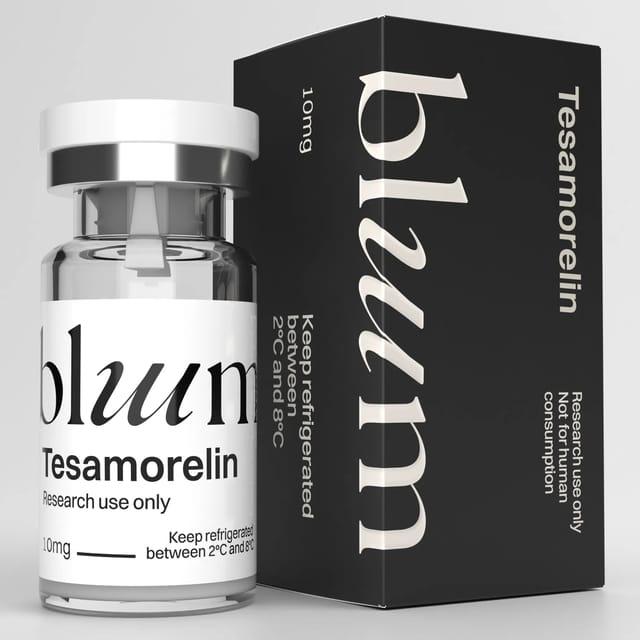
Tesamorelin
From $69.00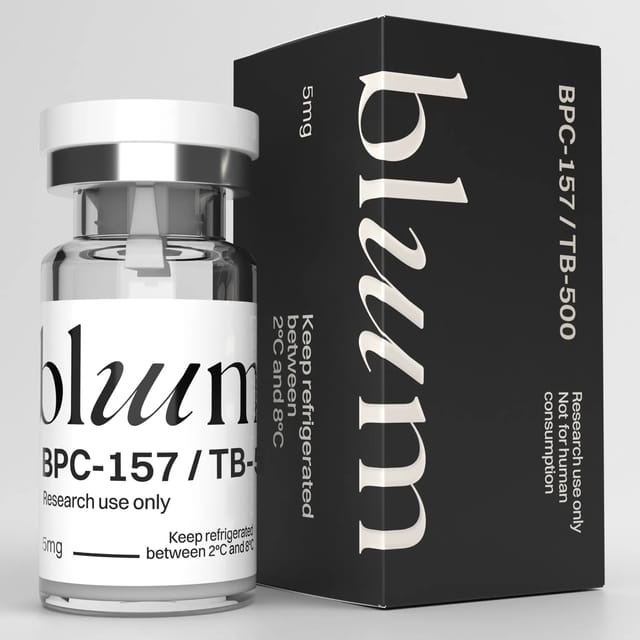
BPC-157 + TB-500
$90.00
MOTS-c
From $39.00


Bluum Peptides supplies research compounds for laboratory and analytical research. Every lot is tested by an independent lab before it ships, and each lab report can be looked up by lot number in the COA library. For research use only; not for human or veterinary use.


