

Keep Critical Peptide Orders Moving This Fall
Dependable peptide deliveries help keep your research schedule, inventory, and experimental work on track. When you order lyophilized peptides in the USA, it helps to understand what happens between fulfillment and final receipt, especially as late-fall shipping conditions begin to change.
Lyophilized, or freeze-dried, peptides are often selected because they are dry and convenient to handle during storage and transport. Still, a dry peptide is not a “set it and forget it” material. We encourage you to consider the supplier’s documentation, packaging approach, shipping communication, and storage instructions before your order arrives.
At Bluum, we focus on research-grade peptides for laboratory research use only. We provide high-purity compounds, third-party testing, published Certificates of Analysis, and same-day U.S. shipping for qualifying orders. Those details give your team more information to review before a material becomes part of a research workflow.
Late October also brings a practical reminder: carrier networks become busier, temperatures can shift quickly, and weather may affect transit in parts of the country. A prepared lab does more than wait for a box. Your team should know who will receive it, where it will be inspected, and how it will be stored right away.
How Lyophilization Supports Peptide Stability
Lyophilization removes water from a peptide formulation through freezing and vacuum drying. The result is a dry product rather than a peptide already dissolved in liquid. This can make a peptide easier to store and ship, while also avoiding some concerns that may be more common with aqueous solutions.
For example, dry peptides may be less exposed to hydrolysis and microbial growth concerns associated with water-based preparations. That said, lyophilization does not make every peptide stable under every condition. A peptide’s behavior can vary based on its sequence, purity, formulation, vial closure, humidity exposure, temperature, light, and what happens after reconstitution.
Rather than relying on broad shelf-life assumptions, we recommend reviewing the information for each individual compound. Your lab should compare the product page, vial label, Certificate of Analysis, and supplier-provided storage guidance before placing material into storage or beginning research procedures.
Keeping a lyophilized vial sealed until you are ready to use or reconstitute it is also a sound inventory practice. An unopened vial has less unnecessary exposure to moisture, and a clear receiving process helps your team track where each lot is stored and when it was received.
What Lyophilized Peptides in the USA Need in Transit
From order processing to carrier handoff, a peptide shipment should support the practical needs of a working laboratory. Reliable transit starts with primary packaging, including a properly labeled vial and closure intended to protect the material during routine shipping.
Secondary packaging matters, too. It should help limit movement inside the box, reduce breakage risk, and provide a layer of protection from outside conditions. Depending on the product and supplier guidance, packaging may also include insulation, temperature-conscious materials, or other protective components.
When you order lyophilized peptides in the USA, shipping visibility can make a real difference for your receiving team. We believe it is helpful when you can follow the order from confirmation through shipment tracking, rather than wondering when a package might appear.
Same-day U.S. shipping for qualifying Bluum orders can support labs working around tight receiving windows, as long as orders meet applicable processing requirements. Carrier schedules, weather, and holiday volume can still affect transit, so it is wise to avoid treating an estimated delivery day as a guarantee.
Your team can reduce avoidable delays by coordinating with the people who receive packages. This is especially helpful when an order may arrive near a weekend, holiday closure, severe weather event, or a period of limited building access.
Packaging, Documentation, and Chain of Custody
The exterior box is only one part of a quality-focused peptide receipt. Once the package arrives, your lab should verify that the material, lot information, supporting documents, and ordering records all line up with your internal procedures.
Published Certificates of Analysis are particularly helpful because they allow you to review lot details, purity, identity, and relevant testing information connected to the material you received. Third-party testing adds another layer of review by supporting independent verification of product specifications.
Clear labeling should also be part of your expectations. Before placing a vial into storage, compare its information with the packing slip, order confirmation, and COA. Look for readable details such as:
Product name
Lot or batch identifier
Quantity information
Research-use designation, where applicable
Storage guidance supplied for that product
A consistent receiving checklist can keep small problems from becoming larger workflow interruptions. We suggest that your team:
Inspect the shipping box for visible damage
Confirm that the order contents are correct
Save the COA and any accompanying documentation
Record the receipt date in your inventory system
Transfer the product to the recommended storage environment promptly
If something seems wrong, document the issue as soon as possible. Photos of package damage, notes about the condition on arrival, and the related order and lot information can help your team communicate the concern clearly.
Planning for Late-Fall Peptide Deliveries
October and November can be unpredictable months for laboratory shipping. Changing temperatures, growing holiday carrier volume, weather interruptions, campus closures, and reduced receiving staff can all affect how smoothly a package moves from a carrier vehicle to proper storage.
Planning ahead does not mean ordering more than your lab can properly store or use. Instead, it means reviewing upcoming studies early enough to order quantities that fit your research timeline, storage capacity, and product-specific handling needs.
Receiving readiness is just as important as order timing. Shared loading docks, secured buildings, and weekend closures can all leave a package waiting longer than intended. Shipment notifications give your team a chance to coordinate acceptance and move materials indoors without unnecessary delay.
Supplier selection plays a role here as well. Transparent product information, accessible COAs, clear shipping policies, responsive support, and efficient U.S. fulfillment give you a better foundation for planning during a high-volume shipping season.
Set Your Lab up for a Confident Receipt
Reliable peptide shipping begins with a quality-focused supplier and ends with a prepared laboratory receiving process. Lyophilized peptides can provide useful storage and shipping advantages, but your team should still review documentation, inspect packaging, monitor transit updates, and follow the handling instructions for each product.
For late-fall planning, confirm upcoming research needs, assign receiving responsibilities, and allow reasonable time for seasonal carrier conditions. A package that is received promptly, documented carefully, and stored according to product guidance is better positioned to support consistent laboratory research.
Plan Your Peptide Orders With Confidence
Review our shipping policy for lyophilized peptides in the USA to understand how Bluum supports clear, reliable order fulfillment. Our team is here to help researchers make informed purchasing decisions for their laboratory needs. For additional questions about an order or our policies, contact us.
Lot-tested research compounds

KLOW Peptide Blend (GHK-Cu / BPC-157 / TB-500 / KPV)
$119.00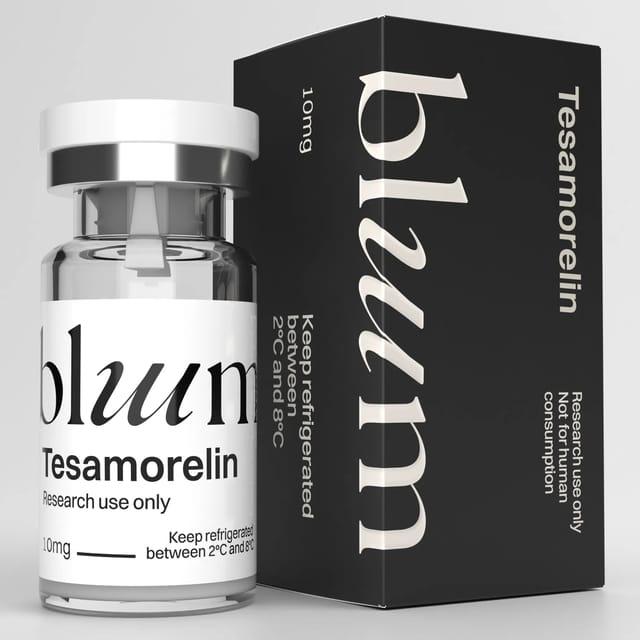
Tesamorelin
From $69.00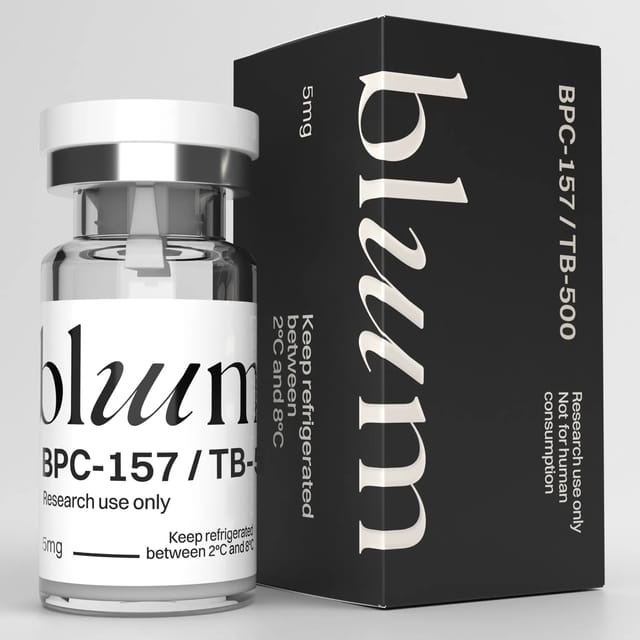
BPC-157 + TB-500
$90.00
MOTS-c
From $39.00


Bluum Peptides supplies research compounds for laboratory and analytical research. Every lot is tested by an independent lab before it ships, and each lab report can be looked up by lot number in the COA library. For research use only; not for human or veterinary use.


