

TB-500







Lab results
RESEARCH USE ONLY
These compounds are NOT intended for human consumption, clinical use, or veterinary applications. We are not affiliated with any pharmaceutical companies or their commercial medications. By placing an order, you certify these materials will be used exclusively for in vitro testing and laboratory experimentation only. Bodily introduction of any kind into humans or animals is strictly forbidden by law. This product should only be handled by licensed, qualified professionals. This product is not a drug, food, or cosmetic and may not be misbranded, misused or mislabeled as a drug, food or cosmetic.
About TB-500
TB-500 is synthetic Thymosin Beta-4 (Tβ4), the full-length 43-amino-acid peptide. Researchers investigate TB-500 in preclinical models involving cell migration, actin dynamics, cellular signaling, and tissue-associated biological processes. Bluum Peptides is a U.S. peptide supplier offering high-purity TB-500, with verification by accredited third-party laboratories to ensure consistent batch quality
Available Sizes:
TB-500 is supplied as a high-purity, lyophilized powder in multiple sizes to support diverse research scales and experimental protocols:
- TB-500 5 mg
- TB-500 10 mg
TB-500 Product Specifications
| Product Specifications | TB-500 Lyophilized Powder in 3ml vial. |
|---|---|
| Application | Research peptide studied in cellular signaling, cytoskeletal dynamics, and actin-binding protein research |
| Appearance | White to off-white lyophilized powder in glass vial |
| Chemical Formula | C212H350N56O78S (Thymosin Beta-4) |
| PubChem CID | CID 45382195 |
| CAS Number | 77591-33-4 |
| Molecular Weight | 4963.44 g/mol |
| Synonyms | TB-500 peptide, Thymosin beta-4, TB4 peptide |
| Storage | Short-term: 36–46 °F [2–8 °C]; Long-term: −4 °F to −112 °F [−20 °C to −80 °C], protect from light and moisture |
| Chemical grade | Laboratory |
Chemical Structure
What Is TB-500?
TB-500 is synthetic Thymosin Beta-4 (Tβ4), the full-length 43-amino-acid peptide and one of the most abundant actin-binding proteins found in mammalian tissues. It belongs to a class of research peptides investigated for their involvement in cellular signaling, cytoskeletal dynamics, and cell-movement–related biological processes.
Unlike receptor-targeting peptides that act through specific membrane-bound receptors, TB-500 is studied primarily for its relationship to intracellular actin regulation and the broader signaling pathways influenced by cytoskeletal organization. This makes it a useful research tool for examining how changes in cellular architecture affect communication, migration, and tissue-associated biological processes.
In the scientific literature, TB-500 is investigated in cell-culture systems, mechanistic studies, and animal models exploring actin dynamics, cellular organization, intracellular signaling, and tissue biology. Researchers use the peptide to study how actin-regulating proteins contribute to complex cellular behaviors and how these processes integrate with broader biological signaling networks.
Because TB-500 is the full-length Tβ4 sequence, the published Thymosin Beta-4 literature is the main reference for its research context.
Most available findings originate from laboratory and preclinical research settings, and controlled human clinical evidence remains limited. As such, observations involving TB-500 should be interpreted strictly within an experimental framework and should not be extrapolated to clinical, therapeutic, or veterinary applications.
TB-500 is supplied strictly for research use only and is not intended for human consumption, therapeutic use, diagnostic use, or veterinary applications.
TB-500 Mechanism of Action (Research Only)
TB-500 is synthetic Thymosin Beta-4 (Tβ4) and is studied primarily for its involvement in actin-associated cellular processes and cytoskeletal regulation. Unlike receptor-targeting peptides that exert their effects through specific cell-surface receptors, TB-500 is investigated for its interactions with intracellular structural proteins and the signaling pathways influenced by cytoskeletal organization.
Current mechanistic understanding is derived primarily from cell-culture studies, molecular biology research, and animal models. These observations should be interpreted strictly within experimental settings and do not establish clinical or therapeutic outcomes.
Structural and Chemical Basis
TB-500 is a synthetic version of Thymosin Beta-4, the full 43-amino-acid sequence of a naturally occurring actin-binding protein widely distributed throughout mammalian tissues [1]. As a well-characterized synthetic form of the full-length protein, TB-500 allows researchers to study the actin-binding activity of Tβ4 under controlled experimental conditions.
Its well-characterized actin-binding activity makes it useful for studying peptide-mediated interactions with intracellular signaling and structural pathways, particularly those involving cytoskeletal organization.
Actin Dynamics and Cytoskeletal Regulation
One of the primary areas of TB-500 research involves actin biology and cytoskeletal dynamics [2]. Actin is a fundamental structural protein that contributes to cellular architecture, intracellular transport, and coordinated cellular movement.
Experimental studies use TB-500 to investigate how actin-associated proteins influence cytoskeletal organization and how changes in cellular structure affect broader biological signaling networks. These models provide insight into the relationship between structural organization and cellular function.
Cell Migration and Cellular Organization Pathways
TB-500 is frequently studied in models involving cell migration, adhesion, and cellular organization [1]. Because cytoskeletal architecture plays a central role in coordinating cellular movement and positioning, researchers use TB-500 to examine the signaling mechanisms that govern these processes.
These investigations help characterize how structural proteins and regulatory peptides contribute to coordinated cellular behavior within complex biological systems.
Intracellular Signaling Networks
Beyond its role in cytoskeletal research, TB-500 has been investigated for its influence on intracellular signaling pathways associated with cellular communication and structural regulation [3]. Experimental models suggest that changes in cytoskeletal organization can affect multiple downstream signaling networks, making TB-500 a useful tool for studying the interaction between cellular structure and signaling activity.
Researchers use these systems to better understand how intracellular architecture contributes to the regulation of cellular responses under controlled laboratory conditions.
Experimental Applications in Cell and Tissue Biology
TB-500 is also used as a reference material in studies of actin-binding proteins. These investigations help researchers explore how naturally occurring proteins contribute to cellular regulation and signaling behavior.
Because TB-500 is the complete Thymosin Beta-4 molecule, it is often used as the full-length reference in studies examining the relationship between peptide structure and biological activity.
TB-500 is supplied strictly for laboratory research use and serves as a research tool for investigating actin biology, cytoskeletal regulation, cellular signaling, and cell-organization pathways. It is not intended for human consumption, therapeutic use, diagnostic use, or veterinary applications.
TB-500 Research Applications (Observations from Studies)
TB-500 has been investigated in preclinical and translational research as a peptide tool for studying actin-associated cellular processes and cytoskeletal regulation. Most available findings originate from cell-culture systems, mechanistic studies, and animal models designed to explore how cytoskeletal organization influences cellular behavior and signaling.
The observations described below reflect experimental research findings and should be interpreted strictly within controlled laboratory settings. They do not represent established clinical outcomes and should not be extrapolated to human or veterinary applications.
Cytoskeletal Organization and Actin Biology
One of the primary applications of TB-500 research involves the study of actin dynamics and cytoskeletal organization [1]. Experimental models use TB-500 to investigate how actin-associated proteins contribute to cellular architecture, intracellular transport, and coordinated cellular movement.
Researchers employ these systems to better understand the relationship between cytoskeletal structure and cellular function, particularly in models where changes in actin organization can be measured and characterized under controlled conditions.
Cell Migration and Cellular Coordination Research
TB-500 is frequently studied in experimental models involving cell migration, adhesion, and cellular organization [2]. Because these processes rely heavily on cytoskeletal regulation, TB-500 provides a useful research tool for examining how structural proteins influence coordinated cellular behavior.
In practical terms, researchers use TB-500 to investigate how cells organize, reposition, and respond to changes in their surrounding environment through actin-dependent mechanisms.
Intracellular Signaling and Cellular Communication
Experimental studies have also examined TB-500 in models exploring the relationship between cytoskeletal organization and intracellular signaling pathways [3]. Changes in cellular structure can influence multiple signaling networks, making TB-500 valuable for investigating how physical organization and biochemical communication interact within cells.
These studies contribute to a broader understanding of how structural and signaling systems operate together to coordinate cellular responses.
Tissue and Cellular Biology Models
TB-500 is commonly utilized in tissue and cellular biology research investigating organization, coordination, and communication among cells within complex biological systems. Researchers use the peptide to study how actin-associated pathways contribute to multicellular organization and tissue-level biological processes.
Because TB-500 is the full-length protein, it is frequently evaluated in comparative studies examining the functional roles of specific Tβ4 regions within broader biological systems.
Comparative Thymosin Beta-4 Research
Another area of investigation compares full-length Thymosin Beta-4 with shorter Tβ4-derived fragments, such as its central actin-binding region. These studies help researchers identify which structural regions of the protein contribute to observed cellular activities and signaling behaviors.
This comparative approach provides valuable insight into protein structure-function relationships and supports ongoing research into peptide-mediated cellular regulation.
Bluum Peptides does not make or imply any medical or therapeutic claims regarding TB-500. All findings referenced here are derived from experimental and non-clinical research settings. This compound is supplied strictly for laboratory research use and is not intended for clinical, diagnostic, therapeutic, veterinary, or human applications.
TB-500 (Thymosin Beta-4) vs BPC-157
|
Parameter |
TB-500 (Thymosin Beta-4) |
|
|
Molecular / Structural Classification |
Synthetic Thymosin Beta-4, full-length 43–amino acid peptide |
Synthetic pentadecapeptide |
|
Primary Biological Pathways Studied |
Actin binding and cytoskeletal modulation |
Cell signaling pathways related to tissue integrity and stress response |
|
Receptor Interaction |
No classical receptor; intracellular actin interaction |
No single defined receptor; pleiotropic signaling effects |
|
Mechanism Complexity |
Full-length peptide with multi-domain activity |
Multi-pathway, system-level signaling observed in models |
|
Research Scope |
Cellular structure, migration, signaling models |
Tissue-specific and systemic experimental models |
|
Comparative Research Value |
Full-length Tβ4 reference for mechanistic studies |
Provides contrasting multi-pathway research model |
|
Regulatory / Research Status |
Research-use-only compound |
Research-use-only compound |
TB-500 Laboratory Safety & Handling
TB-500 is supplied as a lyophilized research peptide and should be handled in accordance with established laboratory procedures for peptide-based research materials. Appropriate handling, storage, and documentation practices help maintain material integrity and support consistency across experimental workflows.
As with other research peptides, laboratory protocols should be designed to minimize contamination, environmental exposure, and avoidable sources of experimental variability. Specific handling requirements may vary depending on preparation methods, solvent systems, analytical techniques, and study design.
Laboratory Handling Considerations
Best-practice laboratory guidance includes:
-
Follow institutional standard operating procedures (SOPs), chemical hygiene plans, and approved research protocols.
-
Wear appropriate personal protective equipment (PPE), including gloves, laboratory coat, and eye protection.
-
Use sterile technique during preparation and transfer procedures.
-
Handle lyophilized material carefully to minimize particulate dispersion and environmental contamination.
-
Utilize suitable engineering controls, such as biological safety cabinets or other controlled workspaces, when required by institutional risk assessments.
-
Maintain accurate records of lot numbers, preparation details, storage conditions, and associated laboratory documentation.
-
Follow established procedures for spill response, waste management, and incident reporting.
Storage and Stability Considerations
Proper storage practices help preserve peptide quality and reduce experimental variability.
-
Store lyophilized material under recommended low-temperature conditions, protected from light and moisture.
-
For short-term storage, maintain refrigerated conditions as specified in product documentation.
-
For long-term storage, maintain frozen storage conditions appropriate for research peptides.
-
Minimize repeated freeze-thaw cycles.
-
Clearly label prepared materials with relevant concentration, preparation date, and storage information.
-
Retain Certificates of Analysis (COAs), batch records, and related documentation to support traceability and reproducibility.
Careful storage and handling practices can help reduce avoidable sources of experimental variability and support consistency across research workflows.
Bluum Peptides supplies TB-500 strictly for research use only. This material is not intended for human consumption, therapeutic use, diagnostic use, or veterinary applications and should be handled exclusively within qualified laboratory settings.
Certificate of Analysis (COA) & Quality Assurance
Each research compound supplied by Bluum Peptides is accompanied by a third-party–verified Certificate of Analysis (COA) to support data integrity, reproducibility, and traceability in laboratory research. COAs are produced on a per-lot basis and serve as formal documentation of analytical testing performed on the specific batch provided to researchers.
Certificates of Analysis typically include details on:
-
Identity verification using appropriate analytical techniques such as mass spectrometry and/or complementary methods
-
Purity and composition analysis commonly assessed by HPLC or related chromatographic assays
-
Physicochemical data such as concentration, stability, and other relevant analytical parameters
-
Lot number, testing date, and analytical methodologies used
This information enables researchers to align with internal quality systems and experimental records.
Bluum Peptides works with independent analytical laboratories to ensure objective third-party testing and consistent quality standards across production batches. Certificates of Analysis are available for review in PDF format prior to purchase or upon request, allowing researchers to verify specifications in advance.
Researchers are encouraged to retain COAs as part of their laboratory documentation for audits, regulatory reviews, reproducibility assessments, or independent verification in accordance with institutional protocols.
Scientific References
1. Maar K, Hetenyi R, Maar S, et al. Cells. 2021;10(6):1343. https://pmc.ncbi.nlm.nih.gov/articles/PMC8228050/
2. Lam TT, Chong MMW. Regulation of actin cytoskeletal dynamics in T cell development and function. Front Immunol. 2025 Jun 10;16:1622928.
https://www.frontiersin.org/journals/immunology/articles/10.3389/fimmu.2025.1622928/full
3. Martino F, Perestrelo AR, Vinarský V, Pagliari S, Forte G. Cellular Mechanotransduction: From Tension to Function. Front Physiol. 2018 Jul 5;9:824.
https://www.frontiersin.org/journals/physiology/articles/10.3389/fphys.2018.00824/full
Related Peptides
BPC-157
From $39.00
BPC-157 / TB-500
From $90.00
KPV
From $39.00
KLOW Peptide Blend (GHK-Cu / BPC-157 / TB-500 / KPV)
$119.00
Thymosin Alpha-1
$59.00
CJC-1295 No DAC
From $49.00
Reconstitution Solution
$15.00
GHK-Cu
From $45.00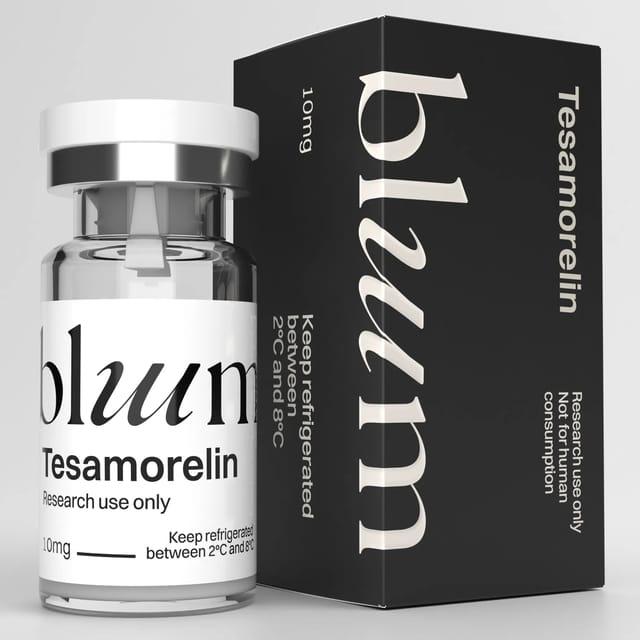
Tesamorelin
From $69.00
MOTS-c
From $39.00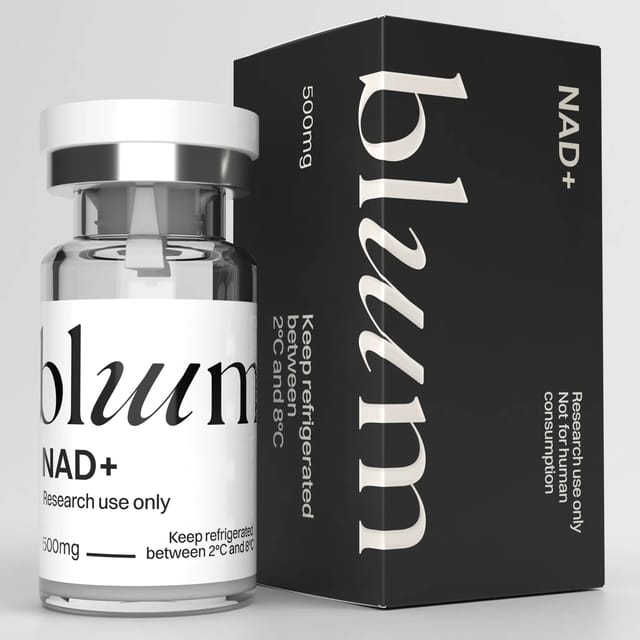
NAD+
From $57.00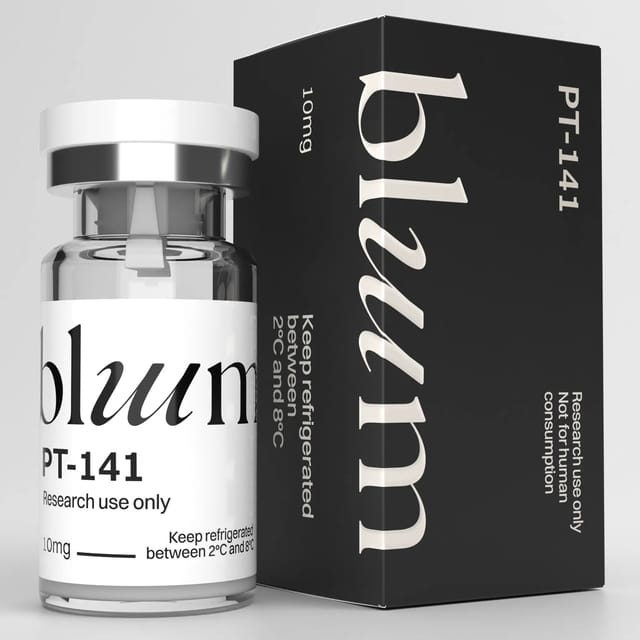
PT-141
$35.00


You ask,
we answer.
Are these peptides quality tested?
Yes. Every lot is tested by an independent third-party lab before it ships, mostly Freedom Diagnostics or Horizon Analytical, and some by BioRegen. Peptide lots are tested for purity (HPLC) and identity (mass spectrometry), and most lots also for net content and endotoxin. Purity varies from lot to lot, so we publish each lot's measured result rather than a fixed guarantee. The report for the lot on sale, with the lab, test date and results, is shown in the lab results on this page and in our lab report library.
What are typical delivery times?
One-time U.S. orders ship free by 2-Day Air when merchandise totals $200 or more after discounts; below $200, 2-Day Air is $11.99. Overnight Air is $34.99. In-stock orders placed before 1 p.m. CT on a business day ship the same day; later orders ship the next business day. Subscriptions only: 2-Day Air is free once the subscribed items reach $50, on the first order and on every renewal.
Every package comes with professional packaging and tracking updates via email.
How should these compounds be stored?
Our peptides are shipped in lyophilized form, which is stable at room temperature during transit. Once received, store unopened vials in a cool, dry place.
Are products stable during shipping?
Our peptides ship sealed and lyophilized (freeze-dried), not on ice. Sealed lyophilized peptides generally show minimal degradation from brief room-temperature exposure in standard transit, though stability varies by compound, moisture, seal integrity and light. Each lot's purity result is published in our lab report library.
What are your bulk ordering options?
For bulk inquiries and volume pricing, please contact us.
What is the shelf life/expiration of unopened vials?
Each lot lists a best-by/expiration on the vial label and COA. As general guidance, lyophilized peptides stored as directed are typically stable 12–24 months (often longer at –20 °C). Short shipping periods at ambient temperature are normal. Actual stability depends on sequence and storage conditions.
