

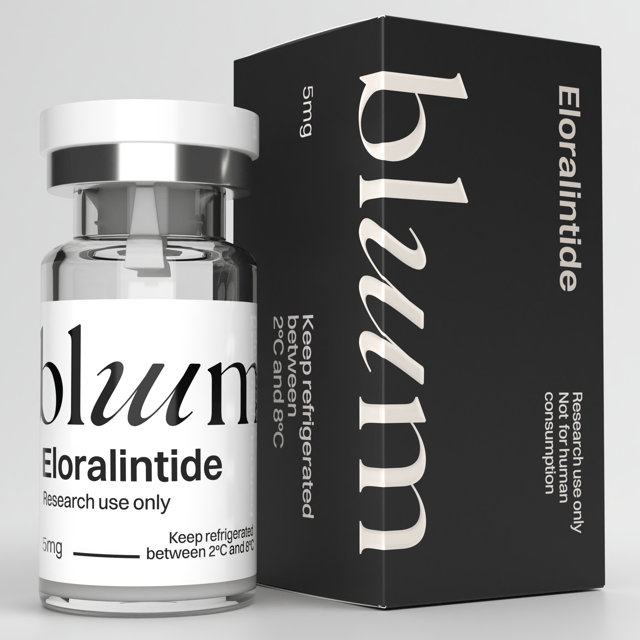
Eloralintide







Lab results
RESEARCH USE ONLY
These compounds are NOT intended for human consumption, clinical use, or veterinary applications. We are not affiliated with any pharmaceutical companies or their commercial medications. By placing an order, you certify these materials will be used exclusively for in vitro testing and laboratory experimentation only. Bodily introduction of any kind into humans or animals is strictly forbidden by law. This product should only be handled by licensed, qualified professionals. This product is not a drug, food, or cosmetic and may not be misbranded, misused or mislabeled as a drug, food or cosmetic.
About Eloralintide
Eloralintide (LY3841136) is a modified, 37-residue amylin analogue studied in amylin-receptor pharmacology. Its structure includes nonstandard amino-acid residues, a C-terminal amide, a methylene thioacetal bridge, and a fatty-diacid side chain. These features distinguish it from native amylin and provide a defined compound for laboratory comparisons of peptide structure and receptor activity.
Published in vitro studies characterize Eloralintide through receptor-binding and cAMP signaling assays. In the reported human receptor systems, it preferentially activates AMY1 receptors relative to AMY3 and calcitonin receptors. This profile supports controlled studies of ligand selectivity, concentration–response relationships, and signaling within the amylin-receptor family. These findings concern experimental models and do not establish the performance of an individual Bluum lot.
Bluum lists 5 mg and 10 mg vial sizes. The current 10 mg lot, ELO102609-144I, has a Freedom Diagnostics COA dated September 19, 2026, reporting confirmed Eloralintide identity by LC-MS, 99.89% purity by HPLC-UV, and 12.32 mg measured net content. The same report documents passing endotoxin results at an assay sensitivity of ≤0.05 EU/mL. Select 10 mg to view this lot’s documents. Its results apply to that lot and size.
For research use only. Not for human or animal consumption. Not for diagnostic or therapeutic use.
Eloralintide Product Specifications
| Product Specifications | 5 mg or 10 mg research material per vial; select size for availability and lot reports |
|---|---|
| Application | Controlled laboratory research and analytical testing |
| Peptide Classification | Modified, long-acting amylin analogue; selective amylin receptor agonist |
| Purity | 10 mg: 99.89% by HPLC-UV, lot ELO102609-144I; see size-specific COA |
| Chemical Formula | C201H319N49O65S2 |
| PubChem CID | 175663130 |
| CAS Number | 2883634-40-8 |
| Molecular Weight | 4526.10 g/mol |
| Synonyms | Eloralintide, LY3841136, LY-3841136, AMY1176, AT53786 |
| Peptide Sequence | {γGlu}-CNTATCATG-{Orn}-LAE-{α-Me-Phe}-LVRSSN-{N-Me-Asn}-FGP-{Lys(γGlu-γGlu-C20 diacid)}-LPPTEVGSNTY-NH2; Cys2–Cys7 methylene bridge |
| Storage | 2–8 °C; protect from light and moisture; follow the lot-specific product label and COA |
Eloralintide Mechanism of Action
Eloralintide (LY3841136) is a modified, lipidated amylin analogue developed as a selective amylin receptor agonist. Amylin receptors form when the calcitonin receptor (CTR), a class B1 G protein-coupled receptor (GPCR), associates with one of three receptor activity-modifying proteins: RAMP1, RAMP2, or RAMP3. In published human receptor assays, a peptide with eloralintide's sequence and side chain activated the AMY1 receptor (CTR with RAMP1) at much lower concentrations than CTR alone. [1][2][3]
Amylin Receptor Architecture
The amylin receptor system is a defined model for studying how accessory proteins shape GPCR pharmacology. CTR expressed on its own responds most strongly to calcitonin, while co-expression with RAMP1, RAMP2, or RAMP3 produces the AMY1, AMY2, and AMY3 receptor phenotypes, which have increased sensitivity to amylin. [4] Cryo-electron microscopy structures of amylin- and calcitonin-bound CTR and amylin receptor complexes provide a structural framework for how RAMP association changes ligand recognition and receptor conformation. [5]
Receptor Selectivity Profile
Eli Lilly's patent on long-acting amylin receptor agonists discloses a peptide with the same sequence, thioacetal bridge, and Lys26 side chain as the published eloralintide structure (Compound II, SEQ ID NO: 2). [1][2] It was tested in UMUC3 cells stably expressing human CTR alone or human CTR with RAMP1 (AMY1R), with cAMP accumulation as the functional readout. The reported EC50 values were 75 pM at AMY1R and 2,340 pM at CTR, roughly a 31-fold potency preference for AMY1R. In the same assay, pramlintide gave 43 pM and 2,400 pM, while human calcitonin preferred CTR (103 pM at CTR versus 393 pM at AMY1R). [2]
Binding data showed a larger separation. In competitive radioligand binding assays using 125I-rat amylin at AMY1R membranes and 125I-human calcitonin at CTR membranes, the reported Ki values were 0.017 nM at AMY1R and 202 nM at CTR, compared with 0.0196 nM and 0.256 nM for pramlintide. [2]
These values come from one assay system. Absolute potency and fold-selectivity can vary with assay format, cell background, and buffer composition, and the patent data do not cover the AMY2 or AMY3 receptors. Activity at those subtypes should be characterized directly in the experimental system being used.
Gs Coupling and cAMP Signaling
Like other CTR-based receptors, amylin receptors couple predominantly to Gs proteins, and agonist activation raises intracellular cyclic AMP (cAMP). cAMP accumulation is therefore the most widely used functional readout in amylin receptor pharmacology, including the published characterization of eloralintide's sequence. Other pathways, including ERK1/2 phosphorylation and intracellular calcium mobilization, have been reported for CTR-based receptors, and the measured signaling profile can vary with RAMP expression and cellular background. [2][3]
Structural Design and Albumin Binding
Eloralintide is a C-terminally amidated, 37-residue peptide with the molecular formula C201H319N49O65S2. Compared with native amylin, it carries three non-coded amino acids: ornithine at position 11, α-methyl-L-phenylalanine at position 15, and N-methyl-L-asparagine at position 22. Its N-terminal glutamic acid is linked through its γ-carboxyl group. A methylene thioacetal bridge (–S–CH2–S–) between Cys2 and Cys7 replaces the native disulfide bond. Lys26 carries an acyl side chain of two γ-glutamate residues and a saturated C20 fatty diacid. [1][2]
Fatty diacid side chains of this type promote reversible binding to serum albumin, a widely used half-life-extension strategy in peptide design that is also used in cagrilintide. [2][6] In the patent data, the acylated peptide was more potent at both human receptors than the same sequence without the side chain (75 versus 133 pM at AMY1R and 2,340 versus 18,000 pM at CTR), in a cAMP assay buffer containing casein rather than albumin. [2]
Overall, eloralintide provides a defined research model for studying amylin receptor versus calcitonin receptor selectivity, CTR–RAMP pharmacology, Gs–cAMP signaling, and the effects of lipidation on peptide activity. The specific response depends on receptor and RAMP expression, species, cell type, assay format, and experimental conditions.
Eloralintide Research Applications
Eloralintide's characterized selectivity profile makes it useful across several areas of receptor pharmacology and peptide chemistry research. Experimental applications include:
Amylin Receptor Versus Calcitonin Receptor Selectivity
Because eloralintide strongly prefers AMY1R over CTR alone, it can be used alongside ligands with different profiles to separate amylin receptor-mediated responses from CTR-mediated ones. Useful comparators include human calcitonin, which prefers CTR, and cagrilintide, which is generally described as a non-selective amylin and calcitonin receptor agonist. [2][6]
CTR–RAMP Pharmacology
The amylin receptor family is a well-characterized example of accessory proteins changing GPCR pharmacology. Eloralintide can serve as a defined ligand for studies of how RAMP co-expression alters ligand potency, binding affinity, and receptor phenotype, and for interpreting the CTR–RAMP complexes resolved by cryo-EM. [4][5]
Receptor Binding and cAMP Assay Research
The published eloralintide data pair a functional cAMP assay with competitive radioligand binding at the same receptors. Its large separation between AMY1R and CTR binding makes it a useful reference agonist when setting up or validating amylin and calcitonin receptor assays, for example alongside 125I-labelled rat amylin or human calcitonin as tracers. Values obtained in a new assay should be compared with the published data only when cell line, tracer, and buffer conditions are similar. [2]
Lipidated Peptide and Albumin-Binding Research
Eloralintide's fatty diacid side chain makes it a useful model for studying how lipidation influences in vitro potency measurements. Because a sequence-matched non-acylated peptide has been characterized in the same assays, the contribution of the side chain can be examined directly. Albumin-binding side chains can also make measured potency sensitive to the protein content of the assay buffer, so assay conditions should be matched when comparing eloralintide with non-lipidated reference ligands. [2]
Amylin Analogue Structure–Activity Research
Eloralintide, pramlintide, and cagrilintide are all built on the amylin sequence but differ in residue substitutions, bridge chemistry, and lipidation. Eloralintide and pramlintide both carry proline at positions 25, 28, and 29, but only eloralintide replaces the disulfide with a thioacetal bridge and carries a fatty diacid side chain. [1][2] Comparing them lets researchers study how specific structural modifications affect receptor selectivity, chemical stability, and aggregation behavior. Native human amylin readily forms fibrils in vitro, which is why rat amylin and pramlintide are commonly used as reference ligands in receptor assays. [7]
Overall, eloralintide provides a defined research model for investigating amylin receptor selectivity, CTR–RAMP pharmacology, receptor binding and cAMP assays, lipidated peptide behavior, and amylin analogue design in controlled experimental systems.
Eloralintide vs Cagrilintide vs Mazdutide Comparison
Eloralintide can be compared with other research peptides to examine how receptor selectivity, structure, and target receptor system influence experimental outcomes. Cagrilintide is a close comparison: a lipidated amylin analogue with broader amylin and calcitonin receptor activity. Mazdutide provides a contrasting model of a lipidated peptide that acts on a different pair of class B1 GPCRs.
Comparison | Eloralintide | ||
Peptide class | Lipidated, modified amylin analogue | Lipidated, long-acting amylin analogue | Lipidated oxyntomodulin analogue |
Primary receptors | Amylin receptors (AMY1R characterized), with much lower CTR activity | Amylin receptors and the calcitonin receptor (CTR) | GLP-1 receptor (GLP-1R) and glucagon receptor (GCGR) |
Receptor family | Class B1 GPCR (CTR paired with RAMPs) | Class B1 GPCR (CTR with or without RAMPs) | Class B1 GPCR |
Selectivity profile | About 31-fold cAMP potency preference for human AMY1R over CTR in published patent data | Described as non-selective across amylin receptors and CTR | Dual agonist at two distinct receptors |
Key structural features | 37 residues; methylene thioacetal bridge; ornithine, α-methyl-phenylalanine, and N-methyl-asparagine; C20 diacid on Lys26 | Amylin-based sequence with a disulfide bridge and a C20 fatty diacid side chain | Oxyntomodulin-based sequence with a fatty diacid side chain |
Half-life extension | Fatty diacid for reversible albumin binding | Fatty diacid for albumin binding | Fatty diacid for albumin binding |
Primary signaling readout | Gs–cAMP | Gs–cAMP | Gs–cAMP at both receptors |
Primary research focus | Amylin receptor versus calcitonin receptor selectivity and CTR–RAMP pharmacology | Non-selective amylin and calcitonin receptor pharmacology; lipidated analogue design | Dual-receptor (co-agonist) pharmacology in the GLP-1R and GCGR system |
Published comparisons | Compared with pramlintide and human calcitonin in patent receptor data | Characterized at amylin and calcitonin receptors in its own development work | Not included in the published eloralintide receptor data |
Note: All materials listed for laboratory research use only
Although all three compounds act on class B1 GPCRs and share a lipidation strategy, they should not be treated as interchangeable research tools. Eloralintide is centered on amylin receptor pharmacology with low CTR activity, Cagrilintide on broader amylin and calcitonin receptor activation, and Mazdutide on GLP-1R and GCGR co-agonism.
These differences make the compounds useful for comparative studies of receptor selectivity, RAMP-dependent pharmacology, lipidated peptide design, and cAMP signaling.
Other Related Peptides and Reference Compounds
Pramlintide is a non-lipidated amylin analogue in which proline replaces the native residues at positions 25, 28, and 29, a substitution pattern that reduces amylin's tendency to aggregate. It is a common reference amylin receptor agonist and was tested alongside eloralintide's sequence in the published patent receptor data. [2][7]
Rat amylin and salmon calcitonin are also widely used reference ligands. Rat amylin is a non-aggregating amylin sequence used in place of human amylin in many assays. Salmon calcitonin potently activates both CTR and amylin receptors, which makes it useful for distinguishing amylin-receptor-preferring ligands from broad CTR-family agonists. [3] Human calcitonin, which preferred CTR over AMY1R in the same patent assays, provides a contrasting CTR-preferring reference. [2]
Cagrilintide was developed as a stable, lipidated, long-acting amylin analogue, and its development work provides structure–activity context for lipidated amylin analogues such as eloralintide. [6]
For research comparing amylin pharmacology with other receptor systems, LY3437943 (GLP3-R) provides a triple GLP-1, GIP, and glucagon receptor example. These receptor systems require their own assay controls.
These compounds can be useful comparative tools, but findings from one ligand, receptor subtype, or species should not automatically be extrapolated to another. Experimental results depend on factors including receptor and RAMP expression, ligand structure, albumin content, cell type, and assay conditions.
Storage & Laboratory Handling
Eloralintide is supplied as a lyophilized research peptide. Proper storage and laboratory handling can help maintain sample integrity and preserve the material's analytical characteristics.
Keep the vial tightly sealed when not being handled.
Store at the temperature listed on the product label and in the lot-specific documentation.
Protect the material from excessive heat, light, and moisture.
Minimize exposure to ambient humidity during handling.
Avoid unnecessary temperature fluctuations and repeated freeze-thaw cycles.
When transferring a refrigerated or frozen vial between environments, keep the container sealed while it equilibrates to help minimize condensation.
Use clean laboratory handling practices appropriate for peptide research materials.
Maintain the original product label and batch/lot information for traceability.
Retain the applicable Certificate of Analysis (COA) with the batch documentation.
Follow laboratory-specific standard operating procedures and applicable institutional requirements.
Peptide stability can vary with formulation, storage conditions, handling, and the specific production batch. Researchers should therefore avoid assuming a universal shelf life or stability profile and should refer to the current storage guidance, product documentation, and validated laboratory procedures for the specific eloralintide material being studied.
Third-Party Testing & COA
When you buy eloralintide from Bluum Peptides, you can review batch-specific analytical documentation for the research material you receive. Each new batch is independently tested by third-party laboratories for applicable parameters including identity, purity, net content, and endotoxin, with the results documented in a Certificate of Analysis (COA).
You can also use the Bluum Peptides COA Lookup page to access available certificates and review the analytical results for individual production lots. The documentation also identifies the independent laboratory responsible for the testing, providing additional traceability for the reported results.
Because analytical results can vary between production lots and vial sizes, refer to the current batch-specific COA for the exact identity, purity, net content, endotoxin results, and other applicable quality-control data for the material you receive.
Frequently Asked Questions About Eloralintide
What is eloralintide?
Eloralintide (LY3841136) is a synthetic, lipidated amylin analogue developed by Eli Lilly and Company. It is a C-terminally amidated, 37-residue peptide with a methylene thioacetal bridge, three non-coded amino acids, and a C20 fatty diacid side chain. It is studied as a selective amylin receptor agonist in receptor pharmacology research.
What is eloralintide used for in research?
Eloralintide is used as a research material for investigating amylin receptor pharmacology. Published data cover its receptor binding and cAMP signaling at human AMY1R and CTR, its selectivity for AMY1R over CTR, comparisons with pramlintide and human calcitonin, and the effect of its lipid side chain on measured potency.
Which receptors does eloralintide activate?
Eloralintide activates amylin receptors, which are complexes of the calcitonin receptor (CTR) with a receptor activity-modifying protein (RAMP). In published human receptor assays, a peptide with eloralintide's structure was about 31-fold more potent at AMY1R (CTR with RAMP1) than at CTR alone in a cAMP assay, and its binding affinity was far higher at AMY1R than at CTR. Published data for the AMY2 and AMY3 receptors are limited.
How is eloralintide different from cagrilintide?
Both are lipidated amylin analogues that use a fatty diacid side chain for albumin binding. Cagrilintide is generally described as a non-selective agonist across amylin receptors and CTR, while eloralintide was designed to favor amylin receptors over CTR. The two peptides also differ in bridge chemistry: eloralintide replaces the native disulfide bond with a methylene thioacetal bridge.
How is eloralintide different from pramlintide?
Both carry proline at positions 25, 28, and 29, but pramlintide is non-lipidated and keeps the native disulfide bridge. Eloralintide adds three non-coded amino acids, a methylene thioacetal bridge, and a C20 fatty diacid side chain for albumin binding. In published patent data, both preferred AMY1R over CTR in a cAMP assay (about 31-fold for eloralintide's sequence and 56-fold for pramlintide), but eloralintide's binding affinity at CTR was far lower (Ki 202 nM versus 0.256 nM for pramlintide).
How is eloralintide tested for purity and identity?
Eloralintide can be characterized using high-performance liquid chromatography (HPLC) and mass spectrometry, such as LC-MS. HPLC provides information about chromatographic purity, while mass spectrometry helps confirm molecular identity and mass characteristics. If you buy eloralintide from Bluum Peptides, you can review the batch-specific Certificate of Analysis (COA) for the analytical results associated with the material you receive.
Where can I buy eloralintide for laboratory research?
You can buy eloralintide from Bluum Peptides as a lyophilized research peptide in 5 mg and 10 mg vials. Each lot is independently tested, and the batch-specific Certificate of Analysis lists the exact identity, purity, net content, and endotoxin results for that lot and size. Eloralintide is sold strictly for laboratory research use and is not intended for human or veterinary use.
Scientific References
World Health Organization. International Nonproprietary Names for Pharmaceutical Substances (INN): Proposed INN List 131. WHO Drug Information. 2024;38(2):323.
Abraham MM, Briere DA, Guo L, Keyser SGL, Lee J, Qu H; Eli Lilly and Company. Long acting amylin receptor agonists and uses thereof. US Patent 12,115,210 B2. 2024 Oct 15.
Application No. US 17/684,578; published as US 2022/0288168 A1.Hay DL, Garelja ML, Poyner DR, Walker CS. Update on the pharmacology of calcitonin/CGRP family of peptides: IUPHAR Review 25. Br J Pharmacol. 2018 Jan;175(1):3-17.
doi: 10.1111/bph.14075. Epub 2017 Nov 28. PMID: 29059473; PMCID: PMC5740251.Christopoulos G, Perry KJ, Morfis M, Tilakaratne N, Gao Y, Fraser NJ, Main MJ, Foord SM, Sexton PM. Multiple amylin receptors arise from receptor activity-modifying protein interaction with the calcitonin receptor gene product. Mol Pharmacol. 1999 Jul;56(1):235-242.
doi: 10.1124/mol.56.1.235. PMID: 10385705.Cao J, Belousoff MJ, Liang YL, Johnson RM, Josephs TM, Fletcher MM, Christopoulos A, Hay DL, Danev R, Wootten D, Sexton PM. A structural basis for amylin receptor phenotype. Science. 2022 Mar 25;375(6587):eabm9609.
doi: 10.1126/science.abm9609. PMID: 35324283.Kruse T, Hansen JL, Dahl K, Schäffer L, Sensfuss U, Poulsen C, Schlein M, Hansen AMK, Jeppesen CB, Dornonville de la Cour C, Clausen TR, Johansson E, Fulle S, Skyggebjerg RB, Raun K. Development of Cagrilintide, a Long-Acting Amylin Analogue. J Med Chem. 2021 Aug 12;64(15):11183-11194.
doi: 10.1021/acs.jmedchem.1c00565. Epub 2021 Jul 21. PMID: 34288673.Hay DL, Chen S, Lutz TA, Parkes DG, Roth JD. Amylin: Pharmacology, Physiology, and Clinical Potential. Pharmacol Rev. 2015 Jul;67(3):564-600.
doi: 10.1124/pr.115.010629. PMID: 26071095.
Related Peptides
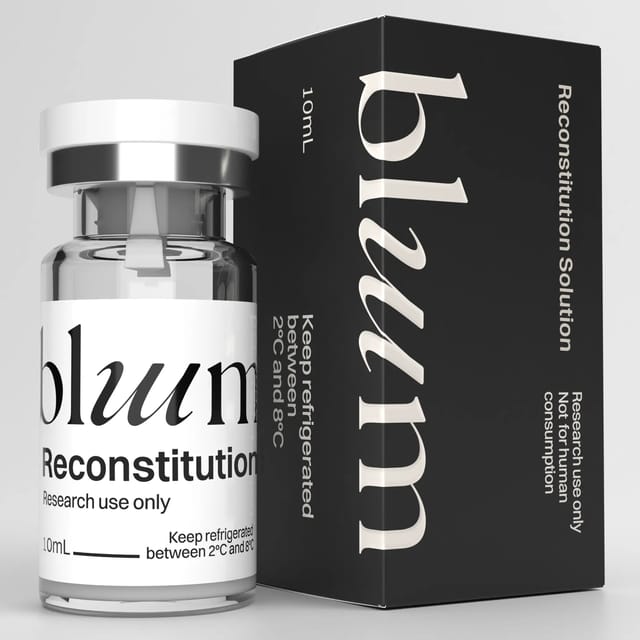
Reconstitution Solution
$12.00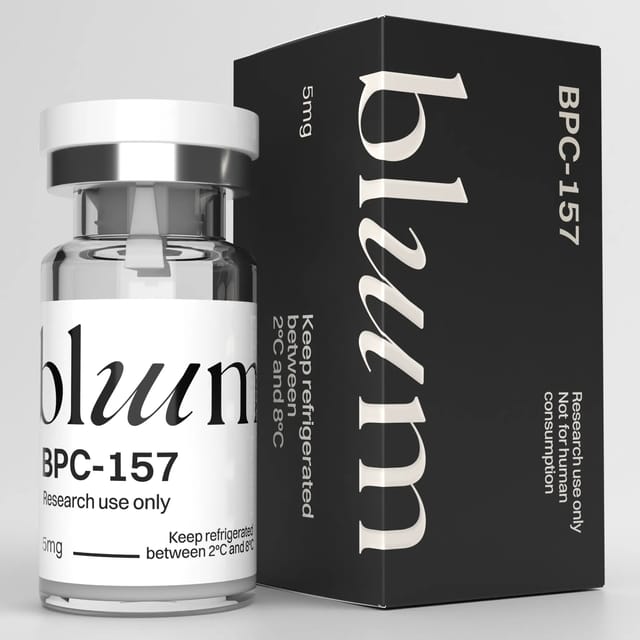
BPC-157
From $35.00
GHK-Cu
From $45.00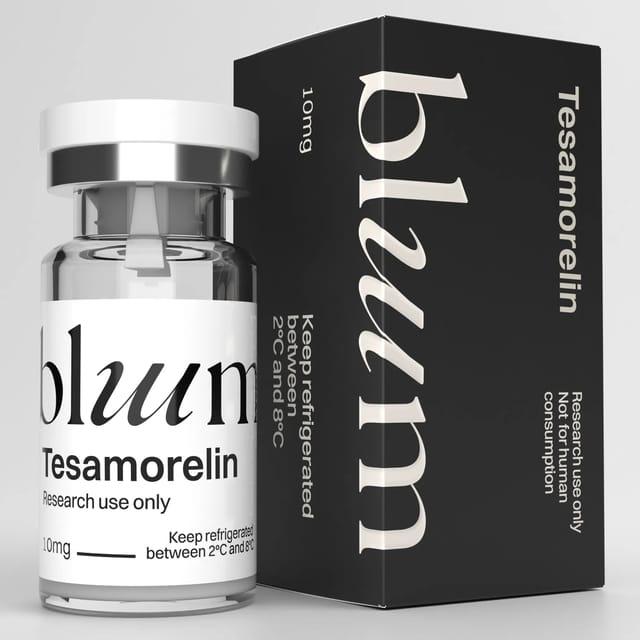
Tesamorelin
From $69.00
KLOW Peptide Blend (GHK-Cu / BPC-157 / TB-500 / KPV)
$119.00
MOTS-c
From $39.00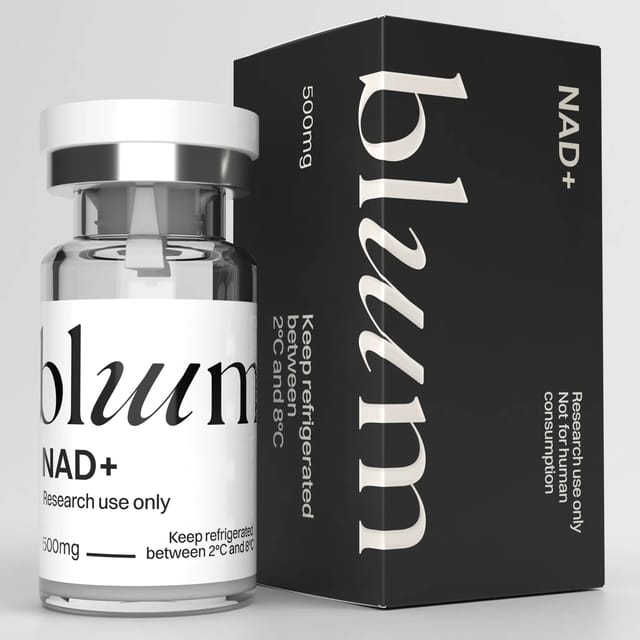
NAD+
From $57.00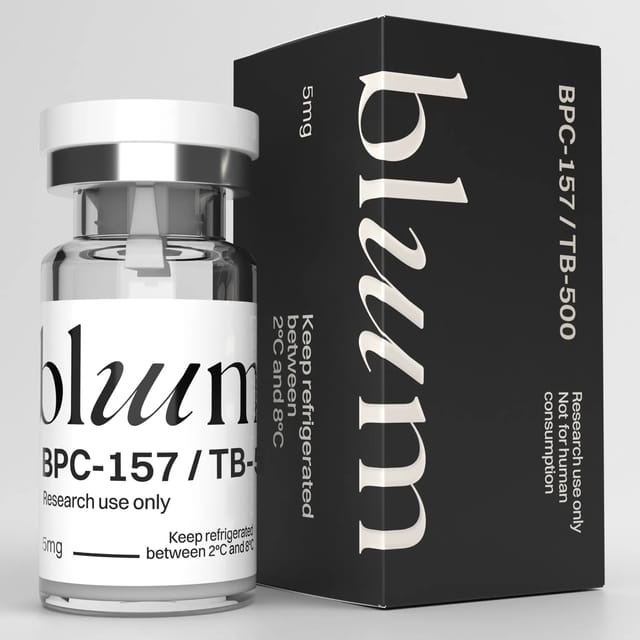
BPC-157 / TB-500
From $90.00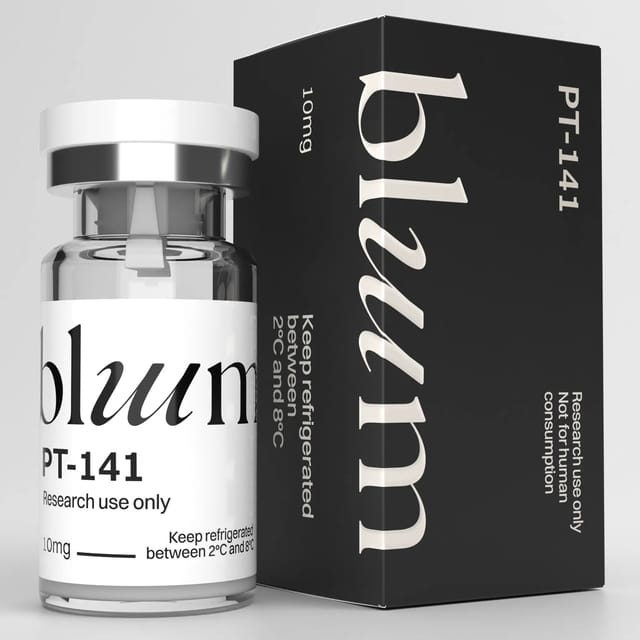
PT-141
$35.00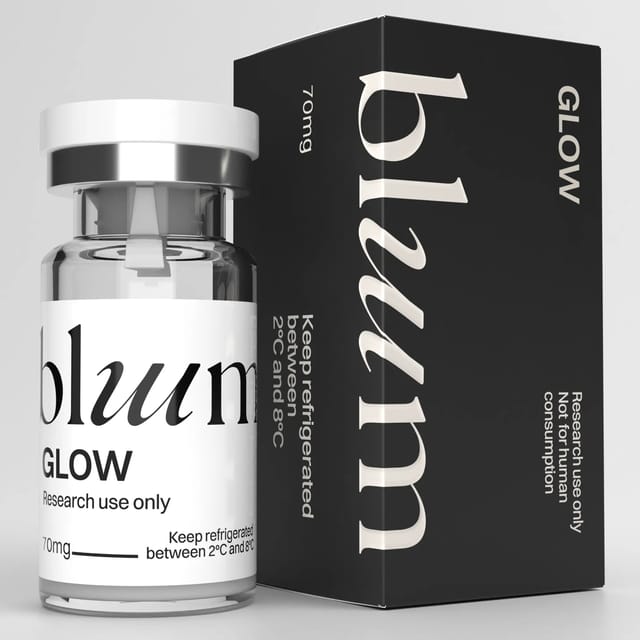
GLOW (BPC-157/TB-500/GHK-Cu)
$115.00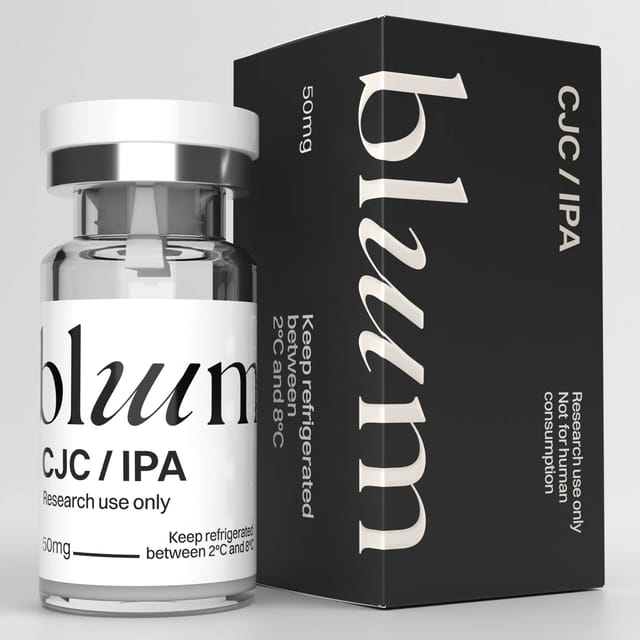
CJC-1295 No DAC / Ipamorelin Blend
$75.00
TB-500
From $35.00


You ask,
we answer.
Are these peptides quality tested?
Absolutely. Our analytical testing is conducted by Janoshik Analytical, BioRegen, or Freedom Diagnostics, independent third-party laboratories that verify the identity, purity, and composition of our research products. All products are guaranteed to test at 98% purity or higher. Each CoA includes purity analysis, peptide sequence confirmation, date of analysis, and an endotoxin report.
What are typical delivery times?
One-time U.S. orders ship free by 2-Day Air when merchandise totals $200 or more after discounts; below $200, 2-Day Air is $11.99. Overnight Air is $34.99. In-stock orders placed before 1 p.m. CT on a business day ship the same day; later orders ship the next business day. Subscriptions only: 2-Day Air is free once the subscribed items reach $50, on the first order and on every renewal.
Every package comes with professional packaging and tracking updates via email.
How should these compounds be stored?
Our peptides are shipped in lyophilized form, which is stable at room temperature during transit. Once received, store unopened vials in a cool, dry place.
Are products stable during shipping?
Our peptides are shipped in lyophilized (freeze-dried) form, which ensures stability during transit. This powder form is highly stable at room temperature and resistant to temperature fluctuations that occur during shipping.
Research has shown no significant degradation or loss of purity when lyophilized peptides are exposed to room temperature during typical shipping timeframes. Each batch is verified for purity upon production, and our stability testing confirms maintenance of product integrity during standard shipping conditions.
What are your bulk ordering options?
For bulk inquiries and volume pricing, please contact us.
What is the shelf life/expiration of unopened vials?
Each lot lists a best-by/expiration on the vial label and COA. As general guidance, lyophilized peptides stored as directed are typically stable 12–24 months (often longer at –20 °C). Short shipping periods at ambient temperature are normal. Actual stability depends on sequence and storage conditions.